On The Insider: The Insider's 8 of 08
Find Articles in:
all
Business
Reference
Technology
News
Sports
Health
Autos
Arts
Home & Garden
advertisement
Most Popular White Papers
advertisement

Content provided in partnership with
Thomson / Gale

Paratyphoid fever

Encyclopedia of Medicine by Rebecca J. Frey

Definition

Paratyphoid fever, which is sometimes called Salmonella paratyphi infection, is a serious contagious disease caused by a gram-negative bacterium. It is also grouped together with typhoid fever under the name enteric fever.

Description

Enteric fever is increasingly rare in the United States. Of the 500 cases reported in an average year, about 60% are infections acquired during travel in Mexico, India, or South America.

Paratyphoid fever has three stages: an early stage marked by high fever; a toxic stage with abdominal pain and intestinal symptoms, and a long period of recovery from fever (defervescence). In adults, these three phases may cover a period of four to six weeks; in children, they are shorter and may cover 10 days to two weeks. During the toxic stage there is a 1-10% chance of intestinal perforation or hemorrhage.

Causes & symptoms

Paratyphoid fever is caused by any of three strains of Salmonella paratyphi: S. paratyphi A; S. schottmuelleri (also called S. paratyphi B); or S. hirschfeldii (also called S. paratyphi B). It can be transmitted from animals or animal products to humans or from person to person. The incubation period is one to two weeks but is often shorter in children. Symptom onset may be gradual in adults but is often sudden in children.

Paratyphoid fever is marked by high fever, headache, loss of appetite, vomiting, and constipation or diarrhea. The patient typically develops an enlarged spleen. About 30% of patients have rose spots on the front of the chest during the first week of illness. The rose spots develop into small hemorrhages that may be hard to see in African or Native Americans.

Patients with intestinal complications have symptoms resembling those of appendicitis: intense cramping pain with soreness in the right lower quadrant of the abdomen.

Diagnosis

The diagnosis is usually made on the basis of a history of recent travel and culturing the paratyphoid organism. Because the disease is unusual in the United States, the doctor may not consider paratyphoid in the diagnosis unless the patient has the classic symptoms of an enlarged spleen and rose spots. The doctor will need to rule out other diseases with high fevers, including typhus, brucellosis, tularemia (rabbit fever), psittacosis (parrot fever), mononucleosis, and Kawasaki syndrome. S. paratyphi is easily cultured from samples of blood, stool, urine, or bone marrow.

Treatment

Medications

Paratyphoid fever is treated with antibiotics over a two- to three-week period with trimethoprim-sulfamethoxazole (Bactrim, Septra); amoxicillin (Amoxil, Novamoxin); and ampicillin (Amcill). Third-generation cephalosporins (ceftriaxone [Rocephin], cefotaxime [Claforan], or cefixime [Suprax]) or chloramphenicol (Chloromycetin) may be given if the specific strain is resistant to other antibiotics.

Surgery

Patients with intestinal perforation or hemorrhage may need surgery if the infection cannot be controlled by antibiotics.
Supportive care

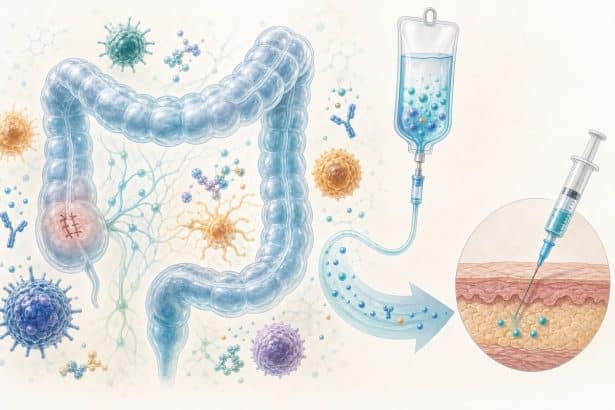
Patients with paratyphoid fever need careful monitoring for signs of complications as well as bed rest and nutritional support. Patients with severe infections may require fluid replacement or blood transfusions.

Prognosis

Most patients with paratyphoid fever recover completely, although intestinal complications can result in death. With early treatment, the mortality rate is less than 1%.

Prevention

Immunization

Vaccination against paratyphoid fever is not necessary within the United States but is recommended for travel to countries with high rates of enteric fever.

Hygienic measures

Travelers in countries with high rates of paratyphoid fever should be careful to wash hands before eating and to avoid meat, egg, or poultry dishes unless they have been thoroughly cooked.

Key Terms

Defervescence
Return to normal body temperature after high fever.
Enteric fever
A term that is sometimes used for either typhoid or paratyphoid fever.
Rose spots
Small slightly raised reddish pimples that are a distinguishing feature of typhoid or paratyphoid infection.

Further Reading

For Your Information

    Books

  • "Chloramphenicol." In Nurses Drug Guide 1995, edited by Billie Ann Wilson, et al. Norwalk, CT: Appleton & Lange, 1995.
  • Guerrant, Richard L. "Salmonella Infections." In Harrison's Principles of Internal Medicine, edited by Eugene Braunwald, et al. New York: McGraw-Hill Book Company, 1987.
  • Hormaeche, Carlos E. "Salmonella, Infection and Immunity." In Encyclopedia of Immunology, vol. III, edited by Ivan M. Roitt and Peter J. Delves. London: Academic Press, 1992.
  • Hull, Anne E. "Salmonellae." In Current Diagnosis 9, edited by Rex B. Conn, et al. Philadelphia: W. B. Saunders Company, 1997.
  • Ogle, John W. "Infections: Bacterial and Spirochetal." In Current Pediatric Diagnosis & Treatment, edited by William W. Hay, Jr., et al. Stamford, CT: Appleton & Lange, 1997.

Gale Encyclopedia of Medicine. Gale Research, 1999.