Health Care Industry
Industry: Email Alert RSS FeedErythropoietin
Encyclopedia of Cancer, 20050229 by RPh. Nancy J. Beaulieu, BCOP
Definition
Erythropoietin, which is also referred to by the names Epogen, Procrit, erythropoietin alfa, and EPO, is a medicine used to treat a low red blood cell count.
Purpose
Erythropoietin is a drug approved by the Food and Drug Administration (FDA) to treat low red blood cell counts called anemia. This anemia can be caused by cancer chemotherapy treatment, kidney failure, or a drug used to treat AIDs. Erythropoietin has also been used to increase the red blood cell count in patients who are anemic and scheduled to have surgery. This can decrease the risk of needing blood transfusions.
Description
Most RecentHealth Care Articles
- Punishing Consumers For Getting Tests and Procedures Is a Dumb Idea
- Preventing Fatal Medical Errors: It's Going to Be a Long, Hard Slog
- Attention Gene Sequencing Companies: Find A Niche
- Looking for a Great Hospital? Good Luck -- the Quality Data Sucks
- Money Talks, Nobody Walks on the Medicare Gravy Train
- More »
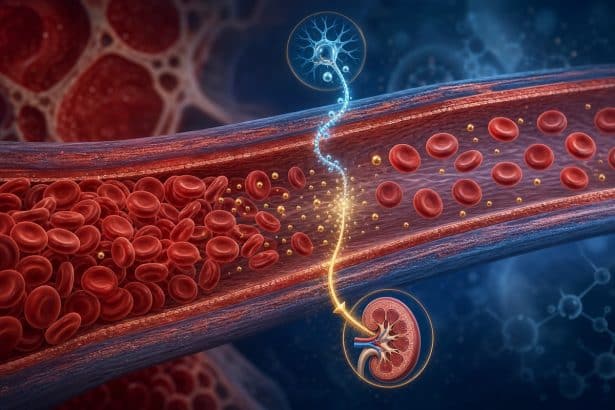
Erythropoietin is a natural substance made by the kidneys in the body. Sometimes the body cannot make enough erythropoietin to cause red blood cells to be produced. The synthetic drug erythropoietin can be given to act like the natural erythropoietin and increase red blood cells.
Chemotherapy drugs destroy cancer cells, but they also destroy normal cells in the bone marrow. Oxygen, which is need by the body to make energy, is carried to cells by the red blood cells. The destruction of the red blood cells causes anemia, which can make patients feel tired or dizzy.
Erythropoietin acts to stimulate the bone marrow to make more red blood cells. Patients need an adequate supply of iron in the body for erythropoietin to work best. If a patient's iron is low, the doctor may recommend oral iron tablets to keep the level of iron up. The increase in red blood cell levels should be seen in two to six weeks after beginning therapy in cancer-related anemia patients. When the red blood cell count rises, patients generally feel better.

Recommended dosage
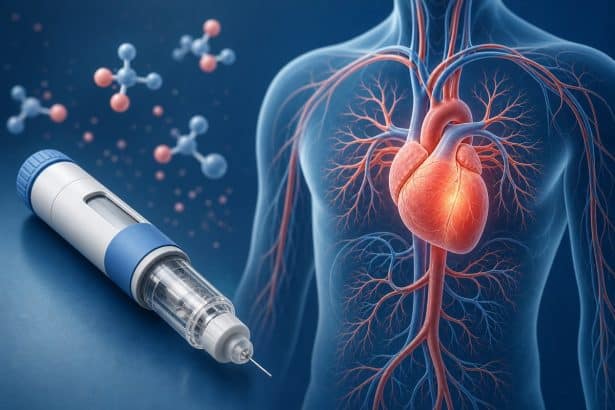
Erythropoietin is a clear, colorless liquid that must be kept refrigerated. It is administered as an intravenous injection or an injection directly underneath the skin, referred to as a subcutaneous injection. There are several dosing schedules used to treat patients with anemia.
To treat cancer-related anemia
Erythropoietin is dosed in units per kilogram of body weight, starting at 150 units per kilograms of body weight administered three times per week. This dosage can be increased to 300 units per kilogram of body weight three times per week.
A common, but not FDA-approved, dosing schedule for cancer patients includes erythropoietin 10,000 units up to 60,000 units given as an injection under the skin once a week.
To treat patients with renal failure
Erythropoietin starting dose is 50-100 units per kilogram of body weight three times a week. This would be adjusted based on blood work and patient response.
To treat AIDS patients on the drug zidovudine
Erythropoietin starting dose is 100 units per kilogram of body weight three times per week for 8 weeks. This would be adjusted based on blood counts and patient response.


To treat patients prior to surgery
Erythropoietin starting dose is 300 units per kilogram of body weight per day for 10 days prior to surgery, the day of surgery, and four days after surgery.
An alternate schedule is erythropoietin 600 units per kilogram of body weight administered once weekly beginning three weeks before surgery, then a fourth dose on the day of surgery.
Surgery patients need to take iron replacement with the start of erythropoietin injections.
Precautions
Blood counts will be monitored before receiving erythropoietin and regularly while on the drug erythropoietin. This allows the doctor to determine if patients are candidates for this treatment and if the dose the patient is receiving needs to be increased or decreased.
Blood pressure should also be monitored regularly while on erythropoietin. Patients who have high blood pressure that is not under control should not use erythropoietin.
Patients may be instructed to take oral iron tablets while on erythropoietin to increase the drug's effectiveness.
It is not recommended to give erythropoietin to patients who have cancer, such as leukemias, arising from their bone marrow.
Patients with a known previous allergic reaction to erythropoietin or the drug albumin should tell their doctor.
Patients who may be pregnant or trying to become pregnant should tell their doctor before receiving erythropoietin.
Side effects
A common side effect due to erythropoietin administration is pain or burning at the site of the injection. This can be decreased by making sure that the erythropoietin is at room temperature before giving the infection. Ice can be placed in the area of injection to numb it before receiving the shot, and the site of injection should be changed with each shot.
Common side effects of patients who receive erythropoietin included diarrhea and swelling.
Less common side effects in cancer patients include fever, nausea and vomiting, fatigue, shortness of breath, and weakness.
Seizures have been reported in patients with kidney failure who are taking erythropoietin.
Erythropoietin can cause an increase in blood pressure, but this is uncommon in cancer patients. Blood pressure should be monitored while on this medicine.
Interactions
Sponsored IBM Resources
- Effective Asset Management in an Uncertain Economy. Get the IBM White Paper
- Discover Smarter Ways to Reduce Costs & Increase Security. Get the IBM White Paper
- Learn Optimal Strategies to Manage Healthcare Assets. Read the IBM White Paper
- IBM Service Management Solutions. Watch the Sisters of Mercy success video
- Find Smarter Ways to Cut Costs. Watch the IBM webcast
- 5 Rules for Immediate Annuities
- Death in the Family: 12 Things to Do Now
- Dumbest Things You Do With Your Money
- 6 Online Networking Mistakes to Avoid
- 401(k) Mistakes to Avoid
- 5 Economic Scenarios to Keep You Up at Night
- The Real ‘Best Places to Retire’
- Best Credit Cards for You
- 12 Tough Questions to Ask Your Parents
- The Real ‘Best Colleges’
- Home Buyer Tax Credit: How to Cash In
- Why You Shouldn't Bash Cash
- 8 Phony 'Bargains' and Better Alternatives
- Danger: 3 Debit Card Scams to Avoid
- 6 Myths About Gas Mileage
- 29 Fees We Hate Most
- Quick and Easy Ways to Boost Returns
- Best Stocks to Buy Now
- Lower Your Taxes: 10 Moves to Make Now
- New Jobs: 8 Lessons from Real-Life Career Switchers
- The New Job Market: Who Wins and Who Loses?
- Health Care Reform's Public Option: Everything You Need to Know
- Volunteer Work When Unemployed: Should You Work for Free?
- Whose Recovery Is This?
- Long-Term-Care Insurance: 4 Biggest Risks to Avoid
Most Recent Health Articles
Most Recent Health Publications
Most Popular Health Articles
- 50 home remedies that work: these safe, fast, and effective fixes will relieve what ails you - Cover Story
- Detox in 7 days: a detoux diet can help you shed up to 10 pounds and leave you feeling terrific. Our weeklong plan shows you how to lose the weight and keep it off - Cover story
- Treat sinusitis naturally: breath easy and relieve sinus pressure with these remedies - Quick Fixes and Long-Term Solutions
- All about nightshades: explore the hidden hazards of your favorite food with macrobiotic nutritionist Lino Stanchich
- The flat abs diet: use our six eating strategies to get a sleeker belly