Health Publications
Topic: RSS FeedWhen you really need to go organic … … and when plain "conventional" will do. Use this guide to make the best picks for your health
Shape, Sept, 2006 by Holly St. Lifer
In the dairy and egg case
Conventional dairy farms in the United States raise cows using hormones so they'll grow faster and produce more milk. The European government has banned the use of these hormones based on early research suggesting they may cause early puberty in girls, and raise the risk of breast cancer in women and prostate cancer in men.
Antibiotics are also given to cows and chickens to keep them from getting sick. Many consumers believe that they will ingest a dose of these drugs through food, but that's incorrect, say experts. Antibiotics are strictly regulated so the meat, dairy and eggs you buy don't contain any residue. Instead, scientists worry that overuse of the drugs in animals will raise the incidence of antibiotic-resistant infections in human beings.


* Go organic when buying milk, cheese and yogurt. You'll eliminate the potential risk caused by hormones. Plus, a recent Danish study found that organic milk contains more vitamin E, beta carotene and antioxidants than conventional kinds.

* Save on eggs. Organic chickens are given pesticide-free feed, so farmers say their eggs contain fewer chemicals too. But the amount of pesticides in a conventional egg is minimal in any case.
In the meat and poultry aisle
The reasons you'd pick organic meat are the same ones for milk and cheese: hormones and antibiotics.
* Go organic when you're making beef or lamb for supper. The hormones given to dairy cows are also used in sheep. And organic processed meats, like cold cuts, sausage and bacon, don't contain the preservatives, nitrites or nitrates, which have been linked to brain and bladder cancer.
* Save on pork and poultry. Pigs and chickens are never given any hormones under the conventional USDA guidelines.
In the seafood case
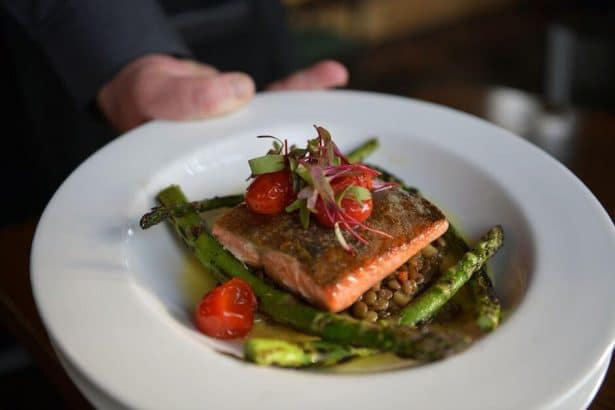
Unlike with produce and meats, the USDA has not set standards for organic claims on seafood, yet many suppliers still use the term. Because of this, California has banned the word "organic" when used with seafood, saying it's misleading for consumers. Although some fisheries insist they use organic feed, their fish and shellfish may still contain contaminants found in water, like mercury and harmful chemicals like PCBs and dioxins.
* Save on all organic seafood. A smarter idea: Base your decision on which species contain the least amount of mercury. Larger species, like swordfish and tuna, have higher levels of the heavy metal than smaller ones, such as shrimp, tilapia and whiting. (For a full list, go to cfsan.fda.gov.) Another tip: Opt for wild seafood. One study published in the journal Science found that farmed salmon has 10 times as many toxins as those raised in the wild.
In the frozen foods section and canned food aisle
Read nutrition labels first when making your pick. Then, follow the recommendations for going organic in each of the food categories above.
* Go organic when purchasing frozen/canned fruits or vegetables that belong to the "dirty dozen" list (the fruits and vegetables that are highest in pesticides). Also consider organic entrees, sauces and soups in which the main ingredients may contain pesticide or hormone residues, such as with beef, lamb, milk and whole-wheat grains.
- 5 Rules for Immediate Annuities
- Death in the Family: 12 Things to Do Now
- Dumbest Things You Do With Your Money
- 6 Online Networking Mistakes to Avoid
- 401(k) Mistakes to Avoid
- 5 Economic Scenarios to Keep You Up at Night
- The Real ‘Best Places to Retire’
- Best Credit Cards for You
- 12 Tough Questions to Ask Your Parents
- The Real ‘Best Colleges’
- Home Buyer Tax Credit: How to Cash In
- Why You Shouldn't Bash Cash
- 8 Phony 'Bargains' and Better Alternatives
- Danger: 3 Debit Card Scams to Avoid
- 6 Myths About Gas Mileage
- 29 Fees We Hate Most
- Quick and Easy Ways to Boost Returns
- Best Stocks to Buy Now
- Lower Your Taxes: 10 Moves to Make Now
- New Jobs: 8 Lessons from Real-Life Career Switchers
- The New Job Market: Who Wins and Who Loses?
- Health Care Reform's Public Option: Everything You Need to Know
- Volunteer Work When Unemployed: Should You Work for Free?
- Whose Recovery Is This?
- Long-Term-Care Insurance: 4 Biggest Risks to Avoid
Content provided in partnership with
Most Recent Health Articles
Most Recent Health Publications
Most Popular Health Articles
- Make running easier: with this unique 'pose running' technique, you'll learn to actually enjoy your fat-burning sessions
- 50 home remedies that work: these safe, fast, and effective fixes will relieve what ails you - Cover Story
- Detox in 7 days: a detoux diet can help you shed up to 10 pounds and leave you feeling terrific. Our weeklong plan shows you how to lose the weight and keep it off - Cover story
- Treat sinusitis naturally: breath easy and relieve sinus pressure with these remedies - Quick Fixes and Long-Term Solutions
- All about nightshades: explore the hidden hazards of your favorite food with macrobiotic nutritionist Lino Stanchich