Serotonin: mood regulator - excerpt from 'Food and Mood'

Nutrition Health Review, Wntr, 1995 by Elizabeth Somer

Serotonin is one of those catch-all neurotransmitters that performs a variety of functions. Ample amounts of serotonin in the nerve cells help regulate everything from sleep to mood to food intake to pain tolerance, while low serotonin levels produce insomnia, depression, food cravings, increased sensitivity to pain, aggressive behavior, and poor body-temperature regulations.

Serotonin levels are directly related to diet. This neurotransmitter is manufactured in the brain from an amino acid called tryptophan, which is found in protein-rich foods, with the help of vitamins [B.sub.6] and [B.sub.12], folic acid, and other nutrients. Serotonin levels are directly related to the amount of tryptophan in the blood and availability of these vitamins. That is, as blood and brain levels of tryptophan rise and fall, and as vitamin intake fluctuates between optimal and deficient, so does the level of serotonin.

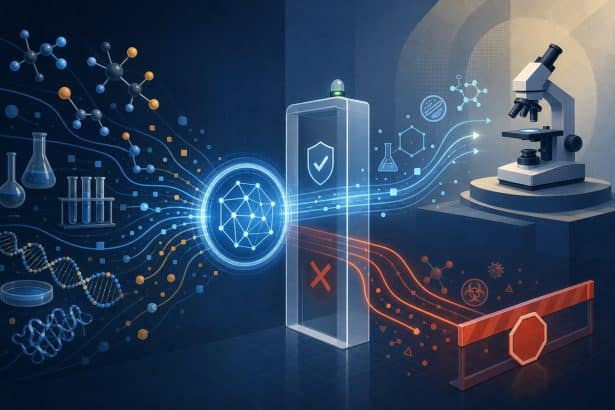
Ironically, eating a protein-rich meal lowers brain tryptophan and serotonin levels, while eating a carbohydrate-rich snack has the opposite effect. Tryptophan is a large amino acid that shares an entry gate into the brain with several other large amino acids such as tyrosine. When you eat a protein-rich meal you flood the blood with both tryptophan and its "competing" amino acids, and they all fight for entry into the brain. Only a small amount of tryptophan gets through the blood-brain barrier (the gatekeeper between the body and the brain), so serotonin levels do not rise appreciably. As a result, a person may crave carbohydrate-rich foods such as desserts or starches, feel more depressed, sleep less soundly, or experience a lower tolerance of pain.

In contrast, a carbohydrate-rich meal triggers the release of insulin from the pancreas. This hormone causes most amino acids floating in the blood to be absorbed into the body's (not the brain's) cells -- all, that is, except tryptophan, which remains in the bloodstream at relatively high levels. With the competition removed, tryptophan can freely enter the brain, causing serotonin levels to rise. The high serotonin levels, in turn, increase feelings of calmness or drowsiness, improve sleep patterns, increase pain tolerance, and reduce cravings for carbohydraterich foods.

Excerpted from FOOD AND MOOD by Elizabeth Somer, M.A., R.D. Published by Henry Holt and Company. Price: $25.00

COPYRIGHT 1995 Vegetus Publications
COPYRIGHT 2004 Gale Group


BNET TalkbackShare your ideas and expertise on this topic

Please add your comment:

  1. You are currently: a Guest |
  2.  

Basic HTML tags that work in comments are: bold (<b></b>), italic (<i></i>), underline (<u></u>), and hyperlink (<a href></a)

advertisement
advertisement
  • Click Here
  • Click Here
  • Click Here
advertisement

Content provided in partnership with Thompson Gale