Health Care Industry
Industry: Email Alert RSS FeedAntimicrobial Properties Of Rosemary Extract - Brief Article
Nutrition Research Newsletter, Jan, 2001
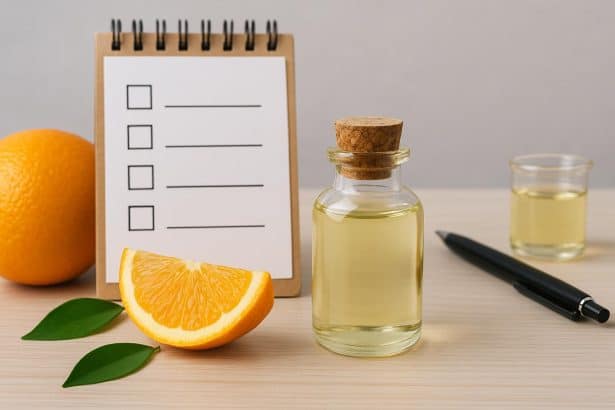
The presence and growth of microorganisms in food can lead to foodborne illnesses as well as to food spoilage. Many plant essential oils have antimicrobial properties but their usage in foods is limited due to their strong flavor. In more recent years, plant extracts have been developed and are being used in foods as antioxidants to protect the food against oxidative damage. One such extract is that of rosemary. Commercially, rosemary extract is used as an antioxidant of lipids in a variety of different foods.
Most RecentHealth Care Articles
The aim of a recent study was to determine the antimicrobial activity of a commercial rosemary extract under various conditions of pH, water activity, and temperature and in the presence of major food components. Scientists utilized Oxy'less, a rosemary extract sold commercially. For all experiments, 10 grams of Oxy'less was dispersed in 100 ml of 96% ethanol using ultrasonic treatment. The following organisms were streaked on Trypticase soy agar plates and cultured: Staphyloccocus aureus; Bacillus cereus; Salmonella Enteritidis; Lactobacillus plantarum; Streptococcus mutans; Leuconostoc mesenteroides; Listeria monocytogenes and Escherichia coli. The following molds and yeasts were also cultured: Penicillium roquefortii; Botrytis cinerea; Rhodotorula glutinis; and Crytococcus laurentii.

The inhibitory activity of the rosemary extract was then measured using each of the above organisms by inoculating the rosemary broths with [10.sup 5] CFU/ml of bacteria and approximately 100 CFU/ml of yeasts. Plates were incubated at 30 [degrees] C for 24 hours. The MIC was determined as the mean of the lowest concentration of the rosemary extract that prevented the growth of the inoculum during the incubation period. The minimum lethal concentration (MLC)--the mean of the lowest concentration that killed the organisms--was also determined. The specimens were then tested using various mediums, at varying pH and with different levels of NaCl.


The MIC of gram postive bacteria was 1% for Leuconostoc mesenteroides, 0.5% for Listeria monocytogenes, 0.5% for Staphylococcus aureus, 0.13% for Streptococcus mutans, and 0.06% for Bacillus cereus. The rosemary extract slowed the growth of Penicillium roquefortii and Botrytis cinerea. Using up to 1% of the ethanolic solution of rosemary extract had no activity on the gram-negative bacteria Escherichia coli, Salmonella Enteritidis, and Erwinia cartovora and on the yeast Rhodotorula glutinis and Cryptococcus laurentii. The antibacterial activity of the rosemary was influenced by the composition of the media. Low pH, high NaCl contents, and low temperatures lowered the MIC. Lipids, surface-active agents, and some proteins were found to decrease the antibacterial activity. Pectin, however, had no effect on the activity of rosemary extract. Heat (100 [degrees] C) did not significantly impact the inhibitory effect.
From this data it appears that rosemary extract can be of benefit in deterring the growth of microorganisms in some food. Researchers suggest that rosemary extract is more appropriate in foods with low fat and protein contents in which gram-positive bacteria are the major problems.
J. Campo, M. Amiot, C. Nguyen-the. Antimicrobial effect of rosemary extracts. Journal of Food Protection; 63:1359-1368 (October, 2000) [Correspondence: Christophe Nguyen-the. Phone: 33-4-32-72-25-21. Fax: 33-4-32-72-24-92; E-mail: nguyenth@avignon.inra.fr].
Brought to you by CBS MoneyWatch.com
- Best- and Worst-Paid College Degrees
- 6 Things You Should Never Do on Twitter or Facebook
- How Much Sleep Do You Really Need?
- 6 Big Myths about Gas Mileage
- 5 Rules for Immediate Annuities
- Death in the Family: 12 Things to Do Now
- Dumbest Things You Do With Your Money
- 6 Online Networking Mistakes to Avoid
- 401(k) Mistakes to Avoid
- 5 Economic Scenarios to Keep You Up at Night
- The Real ‘Best Places to Retire’
- Best Credit Cards for You
- 12 Tough Questions to Ask Your Parents
- The Real ‘Best Colleges’
- Home Buyer Tax Credit: How to Cash In
- Why You Shouldn’t Bash Cash
- 8 Phony 'Bargains' and Better Alternatives
- Danger: 3 Debit Card Scams to Avoid
- 6 Myths About Gas Mileage
- 29 Fees We Hate Most
- Quick and Easy Ways to Boost Returns
- Best Stocks to Buy Now
- Lower Your Taxes: 10 Moves to Make Now
- New Jobs: 8 Lessons from Real-Life Career Switchers
- The New Job Market: Who Wins and Who Loses?
- Health Care Reform's Public Option: Everything You Need to Know
- Volunteer Work When Unemployed: Should You Work for Free?
- Whose Recovery Is This?
- Long-Term-Care Insurance: 4 Biggest Risks to Avoid
Content provided in partnership with
Most Recent Health Articles
Most Recent Health Publications
Most Popular Health Articles
- Make running easier: with this unique 'pose running' technique, you'll learn to actually enjoy your fat-burning sessions
- 50 home remedies that work: these safe, fast, and effective fixes will relieve what ails you - Cover Story
- Detox in 7 days: a detoux diet can help you shed up to 10 pounds and leave you feeling terrific. Our weeklong plan shows you how to lose the weight and keep it off - Cover story
- Treat sinusitis naturally: breath easy and relieve sinus pressure with these remedies - Quick Fixes and Long-Term Solutions
- All about nightshades: explore the hidden hazards of your favorite food with macrobiotic nutritionist Lino Stanchich