Sexual problems of disabled patients

British Medical Journal, Feb 20, 1999 by Clive Glass, Bakulesh Soni

ABC of sexual health

Almost 4% of the UK population have some form of physical, sensory, or intellectual impairment--almost 2.5 million people. Many of these disabling conditions can produce sexual problems of desire, arousal, orgasm, or sexual pain in men and women. Sexual difficulties may arise from direct trauma to the genital area (due to either accident or disease), damage to the nervous system (such as spinal cord injury), or as an indirect consequence of a non-sexual illness (cancer of any organ may not directly affect sexual abilities but can cause fatigue and reduce the desire or ability to engage in sexual activity).

The two main points for consideration are how disabling conditions affect sexual function and behaviour and which sexual difficulties most commonly arise.

Effects of disability on sexual function

Women who undergo radical mastectomy or a disfiguring trauma often report concerns about their femininity and self image such as feelings of lowered self worth or the fear that men will find them less attractive. Similarly, young men with erectile dysfunction often avoid meeting potential partners because of their embarrassment over their inability to perform.

"Sexuality" describes how people express their view of what is sexual. That awareness is the result of all the physical, emotional, intellectual, and social factors that have influenced their development up to that point in their life. Defining sexuality as wider than just physical function is particularly important for people with disabilities. A person who is not able to use part of his or her body still has an equal right to full sexual expression.

Congenital or acquired disability

Congenital or birth impairments often affect all aspects of sexual development, and lack of privacy and independence in daily living means adolescents often miss out on normal sexual experiences. In contrast, an acquired disability may have different implications depending on when it happened. Impairments early in life often produce low social and sexual confidence, whereas patients who become disabled in adulthood are much more aware of what has actually been lost. While the degree of adjustment to either form of impairment may be no different, the process of adjustment is different. How people view their disability and who they see as responsible for managing the effects of the condition greatly influence their ability to cope.

Hidden impairment

Patients with an impairment that is hidden from others but which affects continence or sexual function often find the situation unbearable. People with spina bifida and perineal paraplegia often walk without apparent difficulty but experience problems with sexual function and with controlling their bladder and bowel. The unpredictability of control often leads them to avoid social mixing, therefore increasing their isolation. People with disabilities often present with low self confidence and a poor body image, and so clinicians should not confuse the severity of a condition with the severity of its impact on the patient.

Key questions in cases of disability

Present condition

* Has the person congenital or acquired disability?

* Is the disability static or deteriorating?

* Is the disability observable by other people?

Effect of condition on sexuality

* Does the disability effect sexual function or sexuality?

* Does the disability impair cognitive or intellectual ability?

* Are there associated iatrogenic factors?

* Is fertility the principal concern?

Men with cardiac difficulties such as angina often present with sexual problems because they are worried about bringing on an attack if they attempt lovemaking. Women with joint difficulties (such as rheumatoid arthritis and osteoporosis) may find sexual positioning painful and so avoid activity.

Deteriorating conditions

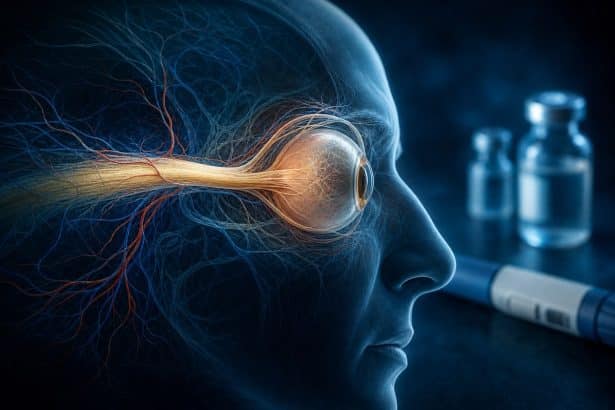
In most cases of trauma patients experience a loss that does not deteriorate, such as spinal cord injury or amputation. However, some conditions like multiple sclerosis do deteriorate (in either a stepwise or gradual manner), which requires mental adjustment to the initial diagnosis and to its reappraisal as the condition worsens. Sexual dysfunction may occur in multiple sclerosis initially as a direct result of demyelination of nerves and may also be the result of indirect effects as the condition deteriorates. There may be problems with other organ systems as well as fatigue, anxiety, depression, and, indeed, altered desire of the patient's partner. Disability services and general practitioners must address the sexual needs of not only the patients but also their partners at times of need.

Mental impairment

Some conditions such as Huntington's chorea and traumatic brain injury may alter a patient's ability to think in a reasoned way. Injury to the reticular activating system of the pons and midbrain slows arousal, whereas injury to the frontal lobes may result in promiscuity because of reduced inhibition. Indirect effects of brain injury, such as alteration of endocrine function (for example, post-traumatic hypopituitarism), can also affect sexual drive and arousal.


BNET TalkbackShare your ideas and expertise on this topic

Please add your comment:

  1. You are currently: a Guest |
  2.  

Basic HTML tags that work in comments are: bold (<b></b>), italic (<i></i>), underline (<u></u>), and hyperlink (<a href></a)

advertisement
advertisement
  • Click Here
  • Click Here
  • Click Here
advertisement
Click Here

Content provided in partnership with Thompson Gale