Health Care Industry
Industry: Email Alert RSS FeedManaging fluid waste takes solid know-how
Healthcare Purchasing News, Sept, 2007 by Susan Cantrell
On the slippery slope of fluid waste, you want first of all to be safe, noted Arthur L. McCoy, senior vice president of San-I-Pak, Tracy, CA. "The primary factor that should be considered when managing infectious waste, including fluid waste, is safety. It is critical to eliminate any exposure to the healthcare professional handling this material."
Small wonder safety should be of paramount importance. Liquid waste from the operating room is comprised of blood and body fluid, which certainly has the potential to be infected with pathogenic organisms. A safe product is tops on the list, but other important factors come into play as well when it comes to managing liquid waste.
Most RecentHealth Care Articles
It is always safer to transport solids rather than liquids that can splash or dribble. ViraSorb Super Solidifier, from Colby Manufacturing, Tullytown, PA, is available to healthcare facilities that may not have access to a hopper or prefer solidifying canister contents. Once gelled, the contents will not crystallize or become slippery and will remain solid throughout the disposal process to guard against spills or leaks. Other companies making solidifiers include: DeRoyal, Powell, TN; DiSorb Systems Inc., Philadelphia, PA; Medline Industries Inc., Mundelein, IL (distributor); Metrex Inc., Orange, CA; Microtek Medical Inc., Columbus, MS; and Safetec of America Inc., Buffalo, NY.


The changing face of fluid disposal
The face of fluid waste disposal is changing. Healthcare facilities are moving away from incinerators to more environmentally friendly methods of managing medical waste. The trend leans strongly toward steam autoclaves. The move to autoclaves is driven by the evolution of tough incinerator air emission rules in state, federal, and advisory-organization guidelines regulating the disposal of medical waste.
Angel Aguiar, vice president, Bondtech Corporation, Somerset, KY, told Healthcare Purchasing News that approximately 80% to 90% of red-bag waste generated in North America is now managed with steam autoclave systems. "We've gone through a 20-year learning curve. High-pressure, high-vacuum steam autoclave systems are the best. Nothing in the foreseeable future will change the dominance of the autoclave in managing medical waste."
Processing on-site: safe, self-sufficient, cost-effective
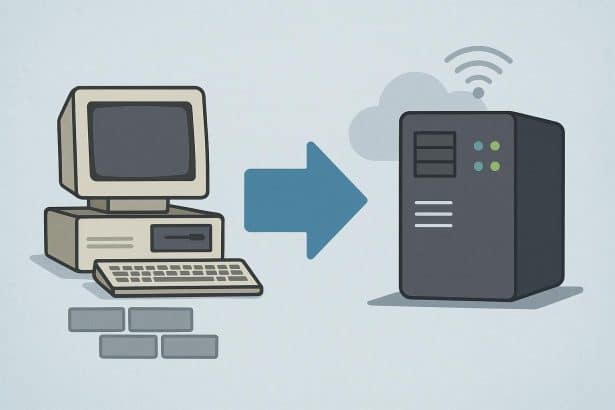
Another trend is that hospitals are heading in the direction of handling medical waste on-site. The cost of off-site processing continues to rise, and Hurricane Katrina and 9/11 drove home the lesson that hospitals need to be prepared to handle their own waste when disaster strikes.
McCoy high-lighted the need for hospitals to be self-sufficient: "An inhouse program that sterilizes infectious material on-site is the only way to ensure sustainability during a surge event. More hospitals are interested in treating this infectious material on-site as opposed to transporting it through their communities. Hospitals realize that, as a generator of this infectious material, it is their responsibility to manage it properly and to safeguard their communities. The threats our society faces today make sustainability an important factor that influences all operational decisions within healthcare. The consequences of not having a safe and reliable in-house program can be devastating when faced with serious threats."
There are other important advantages to in-house processing. McCoy highlighted a financial benefit for hospitals that process fluid waste on-site. "In addition to safety and sustainability, processing infectious waste on-site yields a significant cost savings compared to commercial off-site contract service providers. In today's challenged healthcare environment, it is rare to identify one solution that provides safety, sustainability, and savings."
Eliminating the costs of off-site contract service providers isn't the only benefit. When hospitals' medical waste is transported off-site for processing, meeting Department of Transportation (DOT) requirements is vital. The move to on-site treatment with steam autoclaves eliminates this concern, explained Aguiar: "Hospitals that process waste on-site do not have to be concerned with DOT requirements. Once the medical waste is treated on-site, the waste is considered regular solid waste and safe for final disposal."
Environmental friendliness
Noting that canisters of liquid waste can comprise as much as 70% of an operating room's infectious waste, Aguiar outlined another advantage of steam autoclaves that's good for both the hospital's pocketbook and the environment. "With solidification eliminated and liquid waste treated on-site, the canisters can be reused." Aguiar pointed out that Dornoch Medical, Riverside, MO; Bemis Manufacturing Company, Sheboygan Falls, WI; and Stryker, Kalamazoo, MI, all have systems that reuse canisters.
Products that are environmentally friendly are steadily garnering increased attention. Environmental friendliness was the attraction that drew Gary Gilliam, executive vice president, Ecolotec, Brent wood, TN, to his company. "I started a medical waste hauling company in 1991. At that time, many facilities were processing their own waste with incinerators. In recent years, this process has been all but abandoned for processes that protect our environment. After 9/11, many of the hospitals I serviced asked me to find a processor small enough to work on-site. The security issues that came to light were the driving force behind these requests.
Brought to you by CBS MoneyWatch.com
- Best- and Worst-Paid College Degrees
- 6 Things You Should Never Do on Twitter or Facebook
- How Much Sleep Do You Really Need?
- 6 Big Myths about Gas Mileage
- 5 Rules for Immediate Annuities
- Death in the Family: 12 Things to Do Now
- Dumbest Things You Do With Your Money
- 6 Online Networking Mistakes to Avoid
- 401(k) Mistakes to Avoid
- 5 Economic Scenarios to Keep You Up at Night
- The Real ‘Best Places to Retire’
- Best Credit Cards for You
- 12 Tough Questions to Ask Your Parents
- The Real ‘Best Colleges’
- Home Buyer Tax Credit: How to Cash In
- Why You Shouldn't Bash Cash
- 8 Phony 'Bargains' and Better Alternatives
- Danger: 3 Debit Card Scams to Avoid
- 6 Myths About Gas Mileage
- 29 Fees We Hate Most
- Quick and Easy Ways to Boost Returns
- Best Stocks to Buy Now
- Lower Your Taxes: 10 Moves to Make Now
- New Jobs: 8 Lessons from Real-Life Career Switchers
- The New Job Market: Who Wins and Who Loses?
- Health Care Reform's Public Option: Everything You Need to Know
- Volunteer Work When Unemployed: Should You Work for Free?
- Whose Recovery Is This?
- Long-Term-Care Insurance: 4 Biggest Risks to Avoid
Content provided in partnership with
Most Recent Health Articles
Most Recent Health Publications
Most Popular Health Articles
- Make running easier: with this unique 'pose running' technique, you'll learn to actually enjoy your fat-burning sessions
- 50 home remedies that work: these safe, fast, and effective fixes will relieve what ails you - Cover Story
- Detox in 7 days: a detoux diet can help you shed up to 10 pounds and leave you feeling terrific. Our weeklong plan shows you how to lose the weight and keep it off - Cover story
- Treat sinusitis naturally: breath easy and relieve sinus pressure with these remedies - Quick Fixes and Long-Term Solutions
- All about nightshades: explore the hidden hazards of your favorite food with macrobiotic nutritionist Lino Stanchich