Find Articles in:
All
Business
Reference
Technology
News
Lifestyle

All-natural sun protection — Why you need it. How to get it

Better Nutrition, July, 2000 by Patricia Andersen-Parrado

By now, summertime activities are in full swing with long days, trips to the beach and plenty of outdoor activities. But all this summertime fun means more time in the sun -- the consequences of which can be anything but enjoyable.

According to the American Cancer Society, approximately 1.3 million new cases of basal cell or squamous cell cancers are diagnosed each year. The most serious form of skin cancer is melanoma, which will likely be diagnosed in 47,700 people this year. Since the early 1970s, the incidence rate of melanoma has increased significantly, with the incidence-per-100,000 people rising from 5.7 in 1973 to 13.8 in 1996. Despite such alarming statistics, many people think a tan is "healthy," and continue to bask in the sun with abandon. Skin cancer aside, over-exposure to the sun causes premature aging of the skin -- definitely not healthy looking.

Sun defense

Fortunately, there is plenty you can do to protect yourself from the sun's dangerous rays. Today there is a vast selection of sun-protection products available; however, choosing the right product is no easy task.

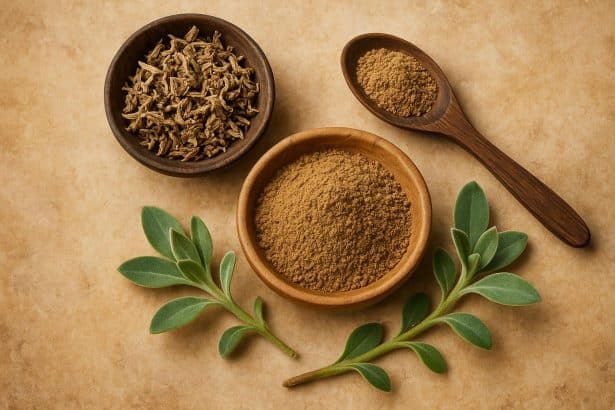
There are many natural sun-protection products that feature a variety of vitamins and other nutrients, as well as botanicals, which help protect your skin.

Recent research shows that green tea, a featured ingredient in many natural sun-protection products, is indeed an effective sunscreen. A 1999 human study published in the journal Photochemistry and Photobiology found that topical application of green tea may protect against the sun's UVB rays. This supports the findings of previous animal studies, which have also suggested that topical application of green tea may protect against the sun. The major polyphenolic constituent in green tea, epigallocatechin-3-gallate (EGCG), is probably responsible for green tea's protective effect.

Other ingredients commonly featured in natural sun-protection products include titanium oxide and zinc oxide, vitamin C and moisturizing ingredients, such as aloe vera and jojoba and shea butters.

When using any sun-protection product, be on the look out for allergic reactions, such as rashes. Waterproof products, while excellent for many, are problematic for some; however, once their use is discontinued, any reaction, such as a rash, should disappear quickly.

Sun protection from the inside out

Recent research also shows that antioxidant supplementation may protect our skin. A paper published in a recent issue of the American Journal of Clinical Nutrition found that supplementation with carotenoids (25 mg/day) and vitamin E (500 IU/day) "may be useful for diminishing sensitivity to ultraviolet light."

Don't forget your eyes

Sunglasses not only look cool, but they are essential protection for your eyes, too. A recent study published in the Archives of Ophthalmology confirmed what previous studies have indicated -- sun exposure contributes to the development of cataracts, a whitening of the eye lens that obscures vision.

Summertime protective steps for both the eyes and skin should include avoiding sun exposure between the hours of 11 a.m. and 3 p.m., and wearing a broad-rimmed hat and other protective clothing, in addition to using a broad-spectrum sun-protection product with an SPF of 15 or higher. Remember though, wearing sunscreen does not make you invincible against the sun's rays; use common sense and head for the shade often.

A safe tan?

If you think that getting a tan at a suntan parlor is a safer bet than a tan gotten at the beach, think again. There is no evidence proving this to be true. If milky white skin leaves you feeling blue in the summer months, you're better off reaching for one of the topical natural "sunless" tanning products available.

REFERENCES

American Cancer Society-Cancer Facts and Figures 2000: Selected Cancer Facts. http://www.cancer.org/statistics/cff2000/se lectedcancers.html#skin

Delcourt, C., et al. "Light exposure and the risk of cortical, nuclear, and posterior subcapsular cataracts: the Pathologies Oculaires Liees a l'Age (POLA) study," Archives of Ophthalmology, 118(3): 385-92, March 2000.

Katiyar, S.K., et al. "Polyphenolic antioxidant (-)-epigallocatechin-3-gallate from green tea reduces UVB-induced inflammatory responses and infiltration of leukocytes in human skin," Photochemistry and Photobiology 69(2):148-53, Feb. 1999.

Stahl, W., et al. "Carotenoids and carotenoids plus vitamin E protect against ultraviolet light-induced erythema in humans," American Journal of Clinical Nutrition 71(3):795-8, March 2000.

COPYRIGHT 2000 PRIMEDIA Intertec, a PRIMEDIA Company. All Rights Reserved.
COPYRIGHT 2000 Gale Group
 

BNET TalkbackShare your ideas and expertise on this topic

The following tags are supported in BNET comments:
<b></b> <i></i> <u></u> <pre></pre>

Leave a Reply

  1. You are currently a guest | Login?