Health Publications
Topic: RSS FeedHow to buy the best multivitamin: a good multi can help you prevent disease and stay young. Become a super supplement shopper with these tips
Natural Health, March, 2003 by Erin O'Donnell
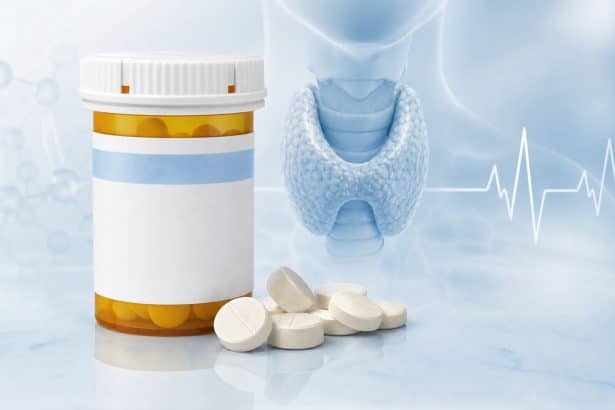
IF YOU ONLY HAVE TIME TODAY TO DO ONE THING to protect your health, take a multivitamin. A Harvard study published last year in the Journal of the American Medical Association reviewed 30 years of supplement studies and concluded that when taken daily, multivitamins can help you prevent diseases including heart disease, cancer, and osteoporosis.
Experts agree that they're an effective and inexpensive way to stay well. To help you choose a high-quality vitamin that meets your needs, we gathered this advice from six supplement experts.

Demand 100 Percent of Vitamins
More Articles of Interest
When you look at the "Supplement Facts" panel on the label, you should see at least 100 percent of the daily value of some important vitamins, especially vitamins [B.sub.6], [B.sub.12], C, D, and E and folic acid. (The "daily value" is what the government calls its recommended daily dose.) Vitamins [B.sub.6], [B.sub.12], and folic acid appear to reduce heart disease risk; vitamin C boosts immune function and may protect against heart disease; vitamin D protects your bones and may prevent cancer; and vitamin E could cut prostate cancer risk. In fact, a few of these nutrients are so important that for optimal health some experts suggest you take more than 100 percent; for details, see "How to Pick the Formula You Need," page 78.
Be Mindful of Minerals
While you should expect your multi to offer 100 percent or more of certain vitamins, this doesn't necessarily hold true for minerals. If you do see 100 percent of the daily value of most minerals on the label, you'll probably also see that you need to take several pills a day. That's because some minerals, like calcium and magnesium, are so bulky that manufacturers could never fit your entire daily dose in one pill, says David Schardt, senior nutritionist for the Center for Science in the Public Interest, a nutrition watchdog group in Washington, D.C. If you choose a one-pill-a-day multi, it won't have all the minerals you require. You'll need to take additional calcium and magnesium supplements to get 100 percent.


Don't Overdo A
The vitamin A in multivitamins usually comes from two substances: retinol, sometimes called preformed vitamin A, and beta carotene, a plant chemical your body converts to vitamin A. One of these substances, retinol, has come under scrutiny. Recent studies found that people who consumed around 5,000 IU of retinol daily had reduced bone density or increased hip fracture risk. The problem is that most multivitamins contain 5,000 IU of vitamin A, and a large part of that usually comes from retinol.
What should you do about vitamin A? Jane Higdon, Ph.D., research associate at the Linus Pauling Institute at Oregon State University in Corvalis, Ore., recommends that you choose a supplement that contains no more than 5,000 IU of vitamin A and provides at least 50 percent of that amount as beta carotene, which does not pose the same osteoporosis risk as retinol. Other experts say that to play it safe, you should choose a multi with 100 percent as beta carotene and no retinol.
If you're a smoker or are regularly exposed to cigarette smoke, studies show that synthetic beta carotene could increase your lung cancer risk. (Natural beta carotene hasn't been tested, but it could cause the same problem.) In that case, you may want to take separate supplements instead of a multi so you can skip vitamin A altogether.
Watch Out for Iron
If you're a man or menopausal woman, take a multivitamin that's iron-free. Some studies suggest that too much of this mineral could increase your risk of heart disease and certain cancers. The only people who need iron include women who menstruate (and shed excess iron through monthly periods), vegetarians (who may not get enough iron from their diets), and endurance athletes (who may experience minor bleeding in their digestive tracts). If you think you're iron deficient, ask a doctor to test you before you supplement. If you menstruate, choose a multi that contains up to 18 mg of iron.
Consider Special Needs
Depending on who you are, you may need extra amounts of certain vitamins and minerals.
If You're Older than 50: You could require extra amounts of vitamin [B.sub.12]. This crucial nutrient protects your heart by helping to lower unsafe homocysteine levels, and a deficiency can trigger irreversible nerve damage. The daily value of [B.sub.12] is 6 mcg, but many older adults lack enough stomach acid to absorb the vitamin efficiently, says Jeffrey Blumberg, Ph.D., professor of nutrition at Tufts University in Boston. For that reason you may want to pick a multi that provides z5 to 100 mcg of [B.sub.12 daily.
If You're a Man: Make sure you get enough selenium to reduce your risk of certain cancers. The daily value is 70 mcg, yet a D96 study published in the Journal of the American Medical Association showed that taking 200 mcg daily dramatically reduced the risk of lung, colorectal, and prostate cancers. A recently published update looked at additional data from the 1996 study and found that women received no cancer protection from selenium supplements.
- 5 Rules for Immediate Annuities
- Death in the Family: 12 Things to Do Now
- Dumbest Things You Do With Your Money
- 6 Online Networking Mistakes to Avoid
- 401(k) Mistakes to Avoid
- 5 Economic Scenarios to Keep You Up at Night
- The Real ‘Best Places to Retire’
- Best Credit Cards for You
- 12 Tough Questions to Ask Your Parents
- The Real ‘Best Colleges’
- Home Buyer Tax Credit: How to Cash In
- Why You Shouldn't Bash Cash
- 8 Phony 'Bargains' and Better Alternatives
- Danger: 3 Debit Card Scams to Avoid
- 6 Myths About Gas Mileage
- 29 Fees We Hate Most
- Quick and Easy Ways to Boost Returns
- Best Stocks to Buy Now
- Lower Your Taxes: 10 Moves to Make Now
- New Jobs: 8 Lessons from Real-Life Career Switchers
- The New Job Market: Who Wins and Who Loses?
- Health Care Reform's Public Option: Everything You Need to Know
- Volunteer Work When Unemployed: Should You Work for Free?
- Whose Recovery Is This?
- Long-Term-Care Insurance: 4 Biggest Risks to Avoid
Content provided in partnership with
Most Recent Health Articles
Most Recent Health Publications
Most Popular Health Articles
- 50 home remedies that work: these safe, fast, and effective fixes will relieve what ails you - Cover Story
- Detox in 7 days: a detoux diet can help you shed up to 10 pounds and leave you feeling terrific. Our weeklong plan shows you how to lose the weight and keep it off - Cover story
- Treat sinusitis naturally: breath easy and relieve sinus pressure with these remedies - Quick Fixes and Long-Term Solutions
- Make running easier: with this unique 'pose running' technique, you'll learn to actually enjoy your fat-burning sessions
- All about nightshades: explore the hidden hazards of your favorite food with macrobiotic nutritionist Lino Stanchich