The Art Treasures Exhibition, Manchester, 1857
Magazine Antiques, June, 2001 by Suzanne Fagence Cooper
A major concern of mid-Victorian Britain was the relationship between art and industry. One of the key moments in this debate, often overlooked, was the Art Treasures Exhibition held in Manchester in 1857. The posthumous publication of Francis Haskell's Epbemeral Museum last year (1) has made it clear that the issues raised by this display of fine art in Britain's industrial heartland (see Pl. V) deserve closer inspection.
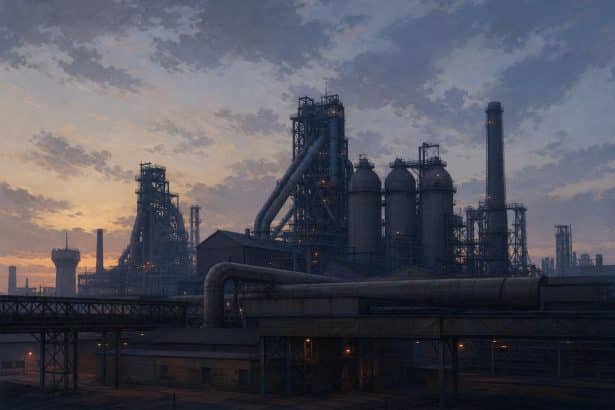
The French social commentator Alexis de Tocqueville (1805-1859) visited the great mill town of Manchester in 1835 and was appalled by what he found:
Related Results
A sort of black smoke covers the city .... Under this half-daylight 500,000 human beings are ceaselessly at work .... From this foul drain, the greatest stream of human industry flows out to fertilise the world. (2)
[ILLUSTRATION OMITTED]
In 1856 the leading citizens of Manchester shocked the British establishment by suggesting that they hold a massive are exhibition in the city. They had the effrontery to ask the greatest noble families in the land to lend their paintings, sculpture, watercolors, metalwork, ceramics, and jewelry. However, they did have the good sense to promise to build the exhibition hall well out of the polluted prevailing winds. The initial response was not encouraging. William Cavendish (1808- 1891), seventh duke of Devonshire, rather acidly remarked: "What in the world do you want with art in Manchester? Why can't you stick to your cotton spinning? (3) And he refused to lend.
[ILLUSTRATION OMITTED]
Despite its detractors, the Art Treasures Exhibition was a great success. More than one million visitors came by road or rail to the Old Trafford site. On a single day the show was seen by the duke of Wellington, the bishop of Oxford, Florence Nightingale, and the painter David Roberts. Working-class visitors trooped through by the thousands and, despite the fears of some of the lenders, behaved themselves.


[ILLUSTRATION OMITTED]
The exhibition brought together sixteen thousand works of art, including paintings by Duccio, Michelangelo, and Rembrandt, Renaissance maiolica and glass, medieval metalwork, treasures from the English East India Company, as well as modern sculpture, paintings, watercolors, and photographs. The organizers used three compelling arguments to persuade lenders: the idea of educating the masses, the promotion of British wealth, and, the ultimate incentive, royal patronage. The exhibition promoters sent a deputation to Buckingham Palace and, on May 20, 1856, obtained the support of Queen Victoria (r. 1837-1901) for the project. They had already raised a fund of sixty thousand pounds from private donors in Manchester, and had assembled a team of experienced exhibition organizers.

[ILLUSTRATION OMITTED]
The original idea for the show came from John Connellan Deane (1816-1887), the commissioner for the 1853 Great Industrial Exhibition in Dublin, and his friend Peter Cunningham (1816-1869). The most influential advocate was Thomas Fairbairn (1823-1891), the commissioner of the Great Exhibition of the Works of Industry of All Nations (Crystal Palace Exhibition) in London in 1851, and the chairman of the organizing committee for the Manchester exhibition. These men encouraged Manchester manufacturers to pledge money with the intention of bringing the art treasures of the United Kingdom "into view under one roof, for the edification of their fellow-men." (4)
The support of the royal family made the exhibition attractive to both lenders and visitors. As The Art-Treasures Examiner explained, "the nobility and gentry throughout the Empire generously imitated the example of their sovereign and her consort" (5) by lending the cream of their collections. The queen and Prince Albert (1819-1861) gave their backing because they believed wholeheartedly in the educational value of the exhibition. Prince Albert was enthusiastic about the plans to "illustrate the history of Art in a chronological and systematic arrangement," believing that "it would speak powerfully to the public mind." (6) As Queen Victoria was recovering from the birth of Princess Beatrice (1857-1914), Prince Albert represented her at the opening of the exhibition on May 5, 1857.
Since Tocqueville's visit in the 1830s, the leading citizens of Manchester had been trying to improve the lot of the workers in their factories, and this exhibition was part of the process. They agreed with the magazine Art-Union that manufacturers and artists could work in partnership "improving the tastes, and consequently, the morals, of the community." (7) If the "lads of the loom" were exposed to the most beautiful and precious works of art in the land they might be inspired to "stroll home, strong in a determination to achieve something." (8) As a cartoonist in Punch recognized, if families could be encouraged to spend their Sundays together in a museum or art gallery, the man of the house would be less likely to squander their money on beer in a pub (Fig. 1).
In addition to the moral and spiritual influence of art, there was also its potential commercial value. By studying the art of the past, the textile designers of Manchester might be inspired to produce finer ranges of upholstery and dress fabrics. The city relied heavily on its cotton textiles, as the county of Lancashire manufactured the lion's share of the 1,855,000,000 yards exported annually from Britain in the 1850s. (9)