Tab Hua Kai Lei: the blossoming of the broad-leafed epiphyllum - traditional Taipai, Taiwan celebration of an annual, once-only, nighttime flower blossoming

Flower & Garden Magazine, August-Sept, 1994 by Sheila Melvin

A blooming flower has the power to bring people together - perhaps more so than a national holiday or a community disaster. I wouldn't believe it if I hadn't seen it happen in my old neighborhood in the Republic of China. There, halfway around the world, the annual blossoming of the broad-leafed epiphyllum brought together men and women who lived side by side and on top of one another. The night the broad-leafed epiphyllum bloomed was a magical one, long to be treasured by those who experienced it.

Wen Chow Street is like many other old streets in the heart of downtown Taipei: a maze of crisscrossed lanes and alleys, crowded and noisy, filled with family-owned groceries, beauty parlors, noodle shops, teahouses and laundries. There are no single-family homes on Wen Chow Street, just concrete four-story walk-ups. Neither are there yards or trees. Although many of the people who live on Wen Chow Street are newly rich, beneficiaries of Taiwan's economic boom, they live as the Chinese have always lived, clustered together in cramped quarters, yet keeping to themselves.

In the two years I lived on Wen Chow Street, I rarely had the opportunity to mingle with my neighbors. People said hello, but not much else; there were never any block parties, neighborhood meetings or potluck suppers. Yet we were anything but strangers. We smelled each other's cooking, heard each other's arguments, noted each other's guests and observed each other's comings and goings.

The elderly couple in the apartment below me, for example, fought bitterly, frequently and loudly. Many a night as I settled in bed, I saw the student in the facing apartment, seated at his desk and poring over his books. The next morning I often awakened to spot him, still studying. The young students who lived on the second floor of my building, on the other hand, were born-again Christians; they seemed to spend more time singing hymns than doing homework.

It is probably because my neighbors and I knew so much about each other that we never socialized and rarely spoke. Living in such close quarters, proverbial dirty linens could not be hidden, but by avoiding contact it was possible to pretend that the linens had never been seen.

It was only on one special night each year that the residents of Wen Chow Street came together. This, of course, was the July night on which the broad-leafed epiphyllum, called tan hua in the Mandarin language, blossomed.

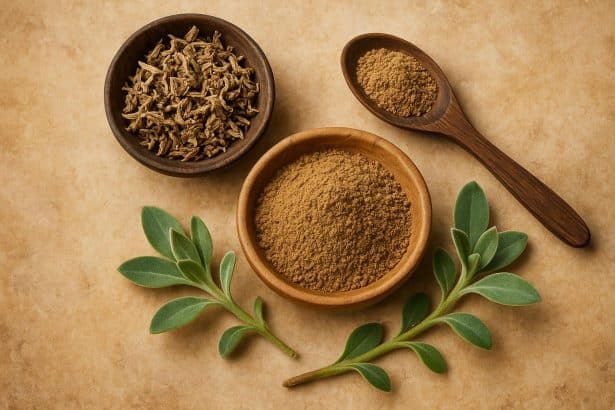
The broad-leafed epiphyllum (Epiphyllum oxypetalum) blooms only once a year. Its flowers open at night and are dead by morning. Tan hua has long been admired in China for the sensuous, transient beauty of its white blooms and for its medicinal properties. Its name has even entered the language as an expression that means "ephemeral"; the phrase tan hua yi xian translates as "to flower as briefly as the broad-leafed epiphyllum." The blossoms of tan hua, thought to be good for the skin, are cooked and eaten in soup. They are also used in a medicine said to cure asthma.

The cultivator of Wen Chow Street's tan hua was the owner of a breakfast shop on the comer. At this shop, early risers on the run could buy a traditional breakfast of soybean milk, deep-fried bread sticks and fried eggs wrapped in steamed dough, all for takeout. The shop had no name and its tall red doors with lion-faced knobs were always closed except in the early morning and on the mid-July night that the tan hua bloomed.

On that night, the doors of the shop were thrown open so extension cords could be run out to the alley. Electric fans were dragged outside, chairs set up and a spotlight trained on the drainpipe that served as the epiphyllum's trellis. As the proud proprietor beamed, neighbors gathered to gaze in wonderment at the opening flowers.

Word of the blooming was passed from balcony to balcony and alley to alley. Passersby stopped to stare at the tan hua and to compliment its cultivator. Elderly men stood with their arms crossed over their chests and reflected quietly on the flower's aptness as a metaphor for life and youth. Pajamaclad children were permitted outdoors to view the flower one final time before going to sleep. Intent on capturing the fleeting blooms on film, camera buffs set up tripods and clicked away while the breakfast shop owner beamed.

I joined the crowd gathered for the broad-leafed epiphyllum's opening and marvelled silently at the strange flower's capacity to bring my neighbors together. The Christian students chatted with me shyly in English. The young couple from across the hall explained to me the flower's uses as food and medicine. An old man I'd never met recited poems to me that I assumed were about the epiphyllum. The breakfast shop owner urged me to get my camera so I could have a picture of the tan hua by which to remember Taiwan.

Back in my apartment, I leaned over the balcony and watched my neighbors linger around the flower until well past midnight. I was still on the balcony when the last person thanked the breakfast shop proprietor for nurturing the tan hua and bid him goodnight.


BNET TalkbackShare your ideas and expertise on this topic

Please add your comment:

  1. You are currently: a Guest |
  2.  

Basic HTML tags that work in comments are: bold (<b></b>), italic (<i></i>), underline (<u></u>), and hyperlink (<a href></a)

advertisement
advertisement
  • Click Here
  • Click Here
  • Click Here
advertisement

Content provided in partnership with Thompson Gale