Tornado Chasing: The Ultimate Risk Tourism
Parks & Recreation, Sept, 2000 by Robert S. Bristow, Heather Cantillon
Since the movie "Twister" premiered in 1995, there has been an increasing interest in storm chasing. To meet the demand of the amateur chaser, tours devoted to tornado storm chasing have emerged from many profit and non-profit storm chasing organizations. What kinds of experiences do these outfitters provide this new breed of risk tourists? How much does it cost to chase after "the great grand-sucking twisters of Tornado Alley," and where can someone get information about this dangerous tourist activity?

Storm chasing requires participants to locate and "chase" a tornado-producing super-cell thunderstorm. Although this is an extremely risky activity, amateur storm chasers are willing to pay up to $300 a day for the chance to see one of Mother Nature's most destructive forces. Storm chasing is considered a "new" tourist activity even though it has existed since the late 1940s.

Traditionally, the term risk recreation has been applied to activities like rock climbing, mountain biking, and river rafting. To get a better understanding of the risk tourism phenomenon, a brief survey was sent to the six major operators who provide storm-chasing opportunities to the public and was designed to solicit information about the clients served and basic tour details.
Tornado Formation
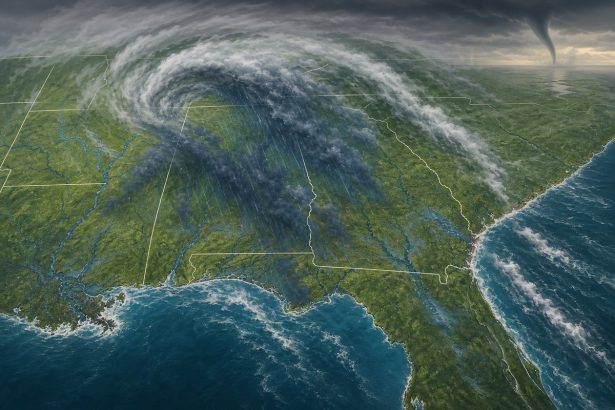
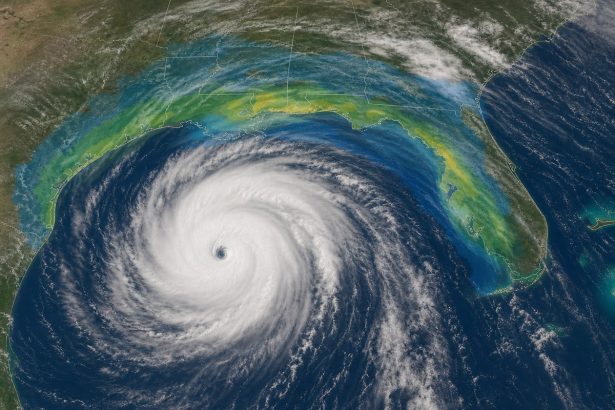
Prospective tornado-chasing tourists need to have a rudimentary understanding of tornadoes and how they work. A tornado is the result of a thunderstorm that develops an organized internal structure of sufficient strength to extend the vortex from the cloud base to the ground. The severe thunderstorm that is the genesis of a tornado is normally the largest thunderstorm in a squall line or a very large isolated thunderstorm. A combination of warm, moist air from the Gulf of Mexico and the dry eastward wind flow from the Rocky Mountains make the area in the Great Plains a prime location for tornado formation. This region has earned the name "Tornado Alley" for obvious reasons.
The History of Storm Chasing
Storm chasing began after World War II. During this period, military-trained pilots had a working knowledge of radar technology and were given an opportunity to study storms first hand by flying through them. The information gained from these flights became the basis for understanding tornado-producing storms. The post-WWII period brought many highway improvements, which helped bring the chase from the air to the ground.
The Tornado Intercept Project, based out of Norman, Oklahoma, was the first organized ground-based group of storm chasers. This project was sponsored by the National Severe Storms Laboratory (NSSL) to conduct research about storms that cause tornadoes and the effect they have on communities located in Tornado Alley. The project was declared a success on May 24, 1932, when the scientists and chasers met face-to-face with a tornado in Union City, Oklahoma.
Risk Tourism
Unlike traditional risk recreation, storm chasing uses its own definition geared towards the specific act of storm chasing. Traditionally, researchers have defined risk recreation as the leisure pursuit of an activity in a natural environment that may have some uncertainty and a potentially harmful nature. In terms of storm chasing, one can be more specific by suggesting it is the recreational pursuit of an uncontrollable meteorological event.
Storm chasing is an activity associated with dangers that potential chasers need to understand. Although there haven't yet been any media frenzies concerning the death of a storm chaser, many think that when this happens (and it will), regulations and sanctions will be put into effect that will alter one's ability to chase a storm effectively. For example, voluntary attempts at conquering Mount Everest end, not infrequently, in disaster, but this fact has not discouraged people from climbing the mountain. Similarly, any fatalities that may occur during a storm chase should not affect the way that chasers conduct themselves while hunting a storm.
Storm chasing should be considered a risk tourism activity. Although its original intent was scientific discovery, many people chase storms simply for the sheer joy of the chase. First-hand sightings of a tornado produce exhilaration in the chasers. As with any recreational activity, there is a challenge to chasing; yet it seems as though there is more frustration involved in chasing than in some other forms of recreation. After all, storms are not spawned on command. Mother Nature acts in mysterious ways and there has yet to be a method discovered of knowing exactly when and where a tornado will hit. Tornado chasing is basically a guessing game with some help from scientific instruments to make those guesses educated.
Increased interest in storm chasing has caused a noticeable influx of traffic on prime chase days, which has caused some concern. According to research from news reports, the number of storm chasers on roads on these days has caused some highway safety issues. Traffic jams and accidents are perhaps more of a threat to a chaser's safety than the storm itself.
Most Recent Reference Articles
- ARAB EUROPEAN RELATIONS - Dec 22 - Russia Denies Selling Missile System To Iran
- EGYPT - Dec 29 - Opposition Says Mubarak Blessed Israeli Attacks
- ARAB AFFAIRS - Dec 22 - Syria Will Eventually Move To Direct Talks With Israel
- ARAB AFFAIRS - Dec 30 - GCC Denounces Massacre
- ARAB ISRAELI RELATIONS - Israel Issues An Appeal To Palestinians In Gaza
Most Recent Reference Publications
Most Popular Reference Articles
- How Tyler Perry rose from homelessness to a $5 million mansion
- The Greek chorus, Jimmy the Greek got it wrong but so did his critics - Jimmy Snyder and his views on pro sports and race
- 9 questions to ask your new lover: what you were afraid to ask, but always wanted to know
- Vickie Winans: at home with the gospel star who lost 75 pounds and reenergized her career
- Free Sex Change? Move To Idaho - Brief Article