Featured White Papers
- Don't miss this enterprise mobility Webcast! (TechRepublic)
- Tools & Strategies for Expense Management (American Express)
- Fax software and fax services: Making the best choice (Esker)
Migraine: pain is so severe, "I've wished I were dead." - Special Newsletter Edition: Your Health
USA Today (Society for the Advancement of Education), Oct, 1994
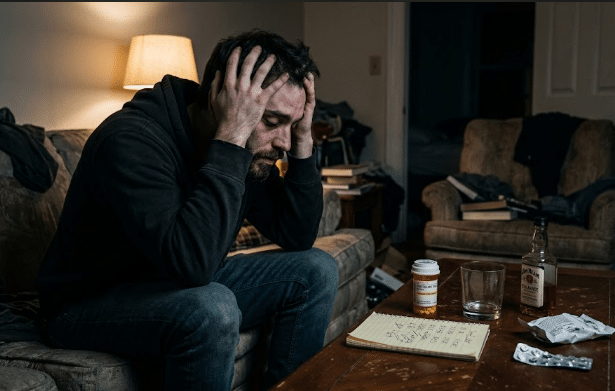
Although people who never have experienced a migraine mistakenly may perceive it as "just a bad headache," a survey of migraine sufferers reveals it is far more serious than that. Seventy percent of respondents afflicted with the condition believe that migraine brings their lives to a standstill.
The nationwide study of 1,007 migraine sufferers was conducted by The Gallup Organization for Cerenex Pharmaceuticals. It found that the pain of migraine is so excruciating that 35% of sufferers indicate that they have wished they were dead during an attack. In addition, a significant number rated migraine as being more painful than childbirth (19%), a broken bone (28%), arthritis (33%), athletic injuries (42%), and a bad burn (42%).


Ninety-three percent of migraine sufferers have used over-the-counter (OTC) or nonprescription pain relievers to treat their headache. Forty-nine percent of those who take OTC medications noted that these nonprescription pain relievers are not successful in alleviating the pain. A similar number admitted that they take more of these OTC pain relievers than recommended.
Approximately 57% said that migraine makes them feel "out of control," while 73% stated that their daily activities are limited or impaired, including leisure pursuits (49%), socializing (50%), and driving (45%).
While not a psychological disorder, migraine can have a psychological impact on the sufferer. Fifty-eight percent felt that it has reduced their ability to enjoy life; approximately half have feelings of anxiety (54%) and helplessness (48%); and 41% experience depression.
Migraine affects more than the sufferer. Seventy-two percent noted that it has hurt their ability to take care of family and personal responsibilities, and 64% believe it has a negative effect on family or others around them. "Migraine often impacts the entire family," explains Margaret Abernathy, director, Headache Treatment Center, Georgetown University Medical Center. "If sufferers are not seeking proper help to manage migraine, they often find themselves retreating to a dark room for the duration of the attack. This obviously has an effect on the sufferers' ability to function normally in family and social situations."
Migraine also can have a significant impact on professional life. Eighty-two percent indicated that a migraine has kept them from doing their work as well as they usually would on an average of nearly 12 days in the past year, and 30% said it has hurt their career progress or earnings.
Migraine was found to be a frequent cause of employee absenteeism, averaging nearly five days in the past year. Some sufferers are reluctant to tell their employers that migraine is causing the absence; 33% of those who missed work due to it say that they do not mention migraine when they call in sick.
"There is, unfortunately, a good deal of misunderstanding that still exists about migraine, especially in the workplace," Abernathy points out. "Many migraineurs are afraid that their supervisors still think of migraine as 'just another headache,' and that they view migraine sufferers as malingerers. Therefore, they are hesitant about telling their employers about their condition when they call in sick."
One reason that some sufferers do not tell other people about their migraine is because of the way they believe those individuals will respond. Thirty-one percent reported that friends, family, or co-workers have been resentful when they were incapacitated due to migraine, while 26% maintained that they have not been believed when they said they couldn't do something because of a migraine.
[CHART OMITTED]
COPYRIGHT 1994 Society for the Advancement of Education
COPYRIGHT 2004 Gale Group