Freedom of speech, hurt feelings, and economic loss - libel laws and food safety - Column - Brief Article

USA Today (Society for the Advancement of Education), Nov, 1997 by Joe Saltzman

What do strawberry growers, cattle raisers, and anti-child pornography activists have in common? They all want to limit what you say and how and when you say it.

The newest wrinkle is referred to as "the adverse economic effects" of free speech. We live in a time when food scares are hurting agribusiness in this country. So, big businesses that sell vegetables and fruits have banded together to try to stop health officials from warning the public about possible contaminants that may cause sickness or even death.

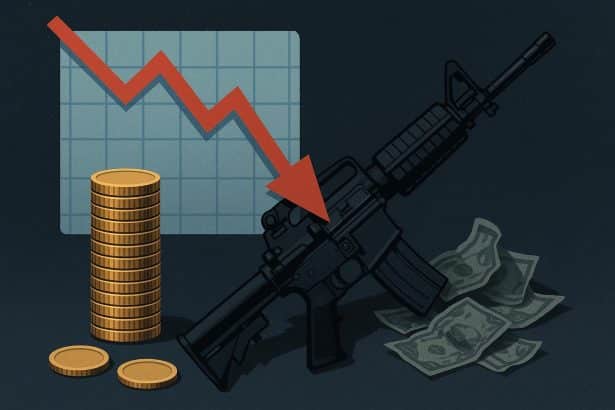
In 1996, California's strawberry industry lost an estimated $20-40,000,000 in nationwide sales after a Texas health official pinned an outbreak of cyclospora, a parasitic illness, on strawberries. The health official had acted in good faith, but was wrong. It turned out the cyclospora problem was caused by Guatemalan raspberries. This season, the California Strawberry Commission reported that financially devastated farmers removed about 3,000 acres from strawberry production, costing an estimated 5,000 farm workers their jobs. A spokesman said: "We have been a victim of what you could technically say was a false accusation."


The result of this and other similar instances is that agriculture-friendly states such as Texas, Oklahoma, Colorado, and North Dakota have passed laws that make it a crime to falsely denigrate fruits and vegetables. They want a full-fledged libel law in which the damaged parties could sue in civil court in an effort to recoup monetary losses. They want health officials to wait until all the facts are in before they brand a culprit.

On the surface, that sounds fair. Laws involving free speech always sound fair. But what this really means is that health officials who dare to issue early warnings to the public about specific cases of E. coli in beef and unpasteurized apple juice, cyclospora in raspberries, salmonella in eggs, or hepatitis A in frozen strawberries and who are mistaken can be sued for money lost.

At the very least, it means that health officials, fearing such libel suits, will have to wait until the public's exposure to such a contaminant is fully proved. This undoubtedly will come too late to protect those people who eat possibly tainted fruits or vegetables. While it may save the agribusiness community millions of dollars, it ties health officials' hands in warning the public. This could result in a major health catastrophe if early assumptions, not fully proved, turn out to be true.

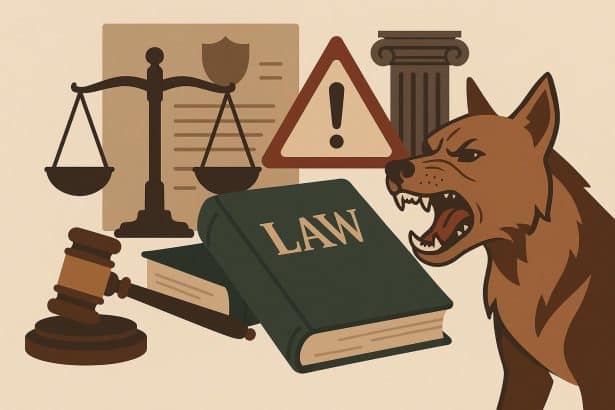
These "veggie libel" laws make good material for stand-up comedians' jokes (saying "I don't like broccoli could land you in jail"), but it's no laughing matter. The danger here goes beyond normal free speech. It is clamping shut the mouths of the very people the public hires to protect it. As one attorney put it, these bills are designed specifically to stop the Rachel Carsons of the world from alerting the public to food-safety risks. If these were in effect in 1962, when Carson published Silent Spring, a book about the dangers of the pesticide DDT, they would have sued her and forced her into bankruptcy, and wildlife and human life would have been seriously jeopardized.

"Veggie libel" legislation has failed in some states on First Amendment grounds and because of concerns about the potential chilling effect on food-safety debates, but it is alive and well in at least 13 states and the threat of more legislation grows every day. Old free-speech issues are gaining new strength in new clothes. The American people who want their fellow citizens to behave in a civil manner, use proper language, not show or discuss sex between various mammals, and be polite and politically correct at all times have found new ways to get their philosophy into law.

When it became a losing battle to define pornography and put those who practice it in jail, activists against adult films and books decided to attack the problem by using children to win public support. Although most Americans believe it is okay for consenting adults to do and see almost anything, they become rigid and uncompromising when a child is involved. So, through let's-protect-the-children campaigns, new laws have been fashioned that have made free speech concerning sexual matters punishable. While many of these laws, including a devastating piece of absurd legislation affecting the Internet, have been kicked out by the higher courts, the lesson has been learned: Talk about the effect of this content on defenseless children and you'll win your day in the court of public opinion.

Few believe that children should see adult material. That is what the word "adult" means--maturity, the age of consent. But today's attitude seems to be, since parents and teachers are not to be trusted, let's ban it all and that way no child will inadvertently see or hear the wrong things. Only the courts have been able to see through most of this claptrap and rule such laws unconstitutional. But enough gaps have been left open so that in the future you can expect more cries for censorship and retribution by holding up a child's innocent face.


BNET TalkbackShare your ideas and expertise on this topic

Please add your comment:

  1. You are currently: a Guest |
  2.  

Basic HTML tags that work in comments are: bold (<b></b>), italic (<i></i>), underline (<u></u>), and hyperlink (<a href></a)