advertisement
On CHOW: Does drinking ice water burn calories?
Find Articles in:
all
Business
Reference
Technology
News
Sports
Health
Autos
Arts
Home & Garden
advertisement

Content provided in partnership with
Thomson / Gale

Herd instincts: Hillary's investment profits - ethics of Hillary Clinton's cattle futures investments - includes related article - Cover Story

National Review,  Feb 20, 1995  by Caroline Baum,  Victor Niederhoffer

When Newt Gingrich told a Republican audience recently that his lucrative book deal paled in comparison with Hillary Clinton's cattle-trading profits, the Speaker's comments were greeted with wild applause and raucous laughter. Opened to public scrutiny less than a year ago, Mrs. Clinton's one-hundred-fold return from trading futures has already become part of popular lore. Whenever anyone is suspected of making a fast buck nowadays, the First Lady's adventure in commodities trading is bound to come to mind.

Most Popular Articles in News
The Ten Best Laptop bags
Tata plans cheapest-ever car for Indian market
GLOBALIZATION AND THE DEVELOPMENT OF UNDERDEVELOPMENT OF THE THIRD WORLD
Corn is good for you; Corn is not only a tasty treat, but also a cereal that ...
THE 50 BEST STYLISH HANDBAGS TO CARRY
More »
advertisement

On October 11, 1978, the future First Lady, a neophyte investor with an annual income of $25,000, opened a commodity-futures account with a deposit of $1,000. Her first trade was the short sale of ten live-cattle contracts at a price of 57.55 cents a pound: a commitment to deliver in December of that year 400,000 pounds of cattle with a market value of $230,200. One day later, she bought the contracts back at a price of 56.10 cents, just 0.15 cent above the low of the day, pocketing $5,300 for a return of 530 per cent.

Mrs. Clinton continued to be a net winner at the game. By the time she closed her trading account ten months later, she had racked up $99,541 in profits, a spectacular 10,000 per cent return on her initial investment of $1,000. Either Mrs. Clinton was a better trader than the legendary George Soros, whose best-ever annual return in thirty years of trading was 122 per cent, or she was led by an invisible hand.

During a press conference last April, the First Lady attributed her success to her advisor James Blair's "theory that because of the economy in the early part of the 1970s, a lot of cattle herds had been liquidated, so that there was going to be a big opportunity to make money in the late Seventies." After examining Mrs. Clinton's trading records, Leo Melamed, the father of financial futures and former chairman of the Chicago Mercantile Exchange, and Jack Sandner, the Merc's current chairman, found nothing irregular except, on occasion, insufficient margin in her account. Anyone could have done as well, these gentlemen said, given the doubling of cattle prices during her year of trading. Mr. Melamed called the brouhaha over the First Lady's financial affairs "a tempest in a teapot." Mr. Sandner attributed her success to her "trading the biggest bull market in the history of cattle. If someone caught that trend and traded it well, they could make an extraordinary amount of money, a lot more than $100,000, on a small investment."

Yet Mrs. Clinton bucked the trend and traded it well. Most of her trades, including her first two, her last two, and her single most profitable trade (in dollar terms) were initiated from the short side, anticipating a decline in cattle prices. Short selling by the public is extremely rare, especially on a first trade. When one considers that both the investor and her trading advisor were using a herd-reduction theory to capitalize on the biggest bull market in cattle in history, the success of her short sales raises a bright red flag.

In other situations where the legitimacy of a transaction is suspect, the courts are guided by the common-law doctrine, enunciated by Supreme Court Justice Antonin Scalia in the 1994 case BFP v. Resolution Trust Corporation, that "a transfer of title for a grossly inadequate (or in some cases grossly excessive) consideration would raise a rebuttable presumption of actual fraudulent intent." Except for a press conference or two attended by sympathetic journalists not familiar with commodities trading, the First Lady has done nothing to rebut that presumption.

In Search of Slime

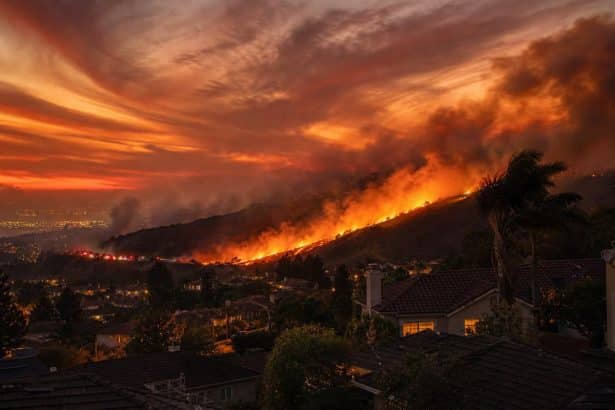
CASES of fraud are notoriously hard to prove. In the investigation of a suspected fraud, the prosecutor does not expect to uncover a document outlining the terms of an illicit financial transfer between two parties. Similarly, an insurance investigator does not expect to find an arsonist standing on the fire-ravaged premises with match and empty gasoline can in hand.

But the clues are there. Despite their best efforts, perpetrators of fraud usually leave a slimy trail-what fraud investigators refer to as badges or indicia. As the Tennessee Supreme Court put it in the 1835 case Floyd v. Goodwin, "Fraud has to be ferreted out by carefully following its marks and signs, for fraud will in most instances, though ever so artfully and secretly contrived, like the snail in its passage, leave its slime by which it may be traced."

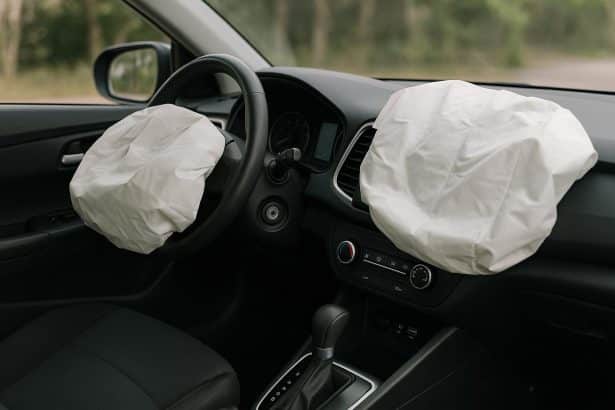
Insurance investigators have an objective list of marks and signs that they look for when a presumption of fraud exists. In cases where arson is suspected, one of the first questions a fire investigator tries to answer is: Was the pet removed from the premises? Medical fraud might be indicated when the medical bills in question are photocopies, or if they fail to itemize office visits and treatments. In cases of automobile-accident fraud, one marker would be a claimant's attempt to discourage an insurance investigator from looking at the damaged vehicle.