Find Articles in:
All
Business
Reference
Technology
News
Lifestyle

Making college possible - new student aid program proposed by Bill Clinton

Washington Monthly, April, 1994 by Jonathan Cohn

One of Bill Clinton's most consistent crowd-pleasers on the 1992 campaign trail was his promise to make college more accessible to young Americans. To his credit, when Clinton got to Washington, he remembered the applause and proposed reforms that were historic in scope. This is the story of that landmark Clinton initiative--and a very damaging compromise the administration made that could potentially wreck it.


"You know and I know," Clinton has told audiences of educators and students, "that there are too many young people who go to college and drop out or defer going to college because they think they can't afford it." It was not ever thus. After World War H, the GI Bill put higher education within reach of millions of working class people who, before the war, had not even dreamed of going to college. Then postwar prosperity and the relatively low cost of college quickly made what was available to veterans available to everyone else. It was possible through the sixties, for example, to pay for tuition, room, and board with a little help from home and a job in the campus cafeteria. But by the seventies, inflation and academic extravagance were driving costs back up, and by the end of the eighties, we were clearly getting back to a situation not unlike the thirties. A recent UCLA national study found the median parental income of incoming college freshmen increased more than twice as fast as the median income of all families with children in the eighties, a clear sign that students from less affluent families were again getting shut out of higher education.

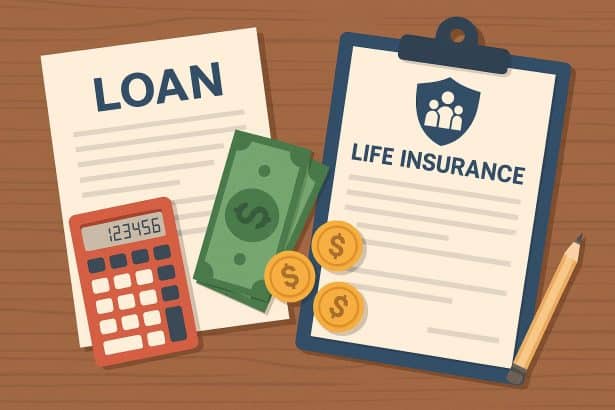
Because costs were going up so fast--tuitions rose at twice the rate of annual inflation in the last decade--the federal college loan program became critically important since students could no longer make it with help from their parents and working around campus. So students had to borrow more and more from banks and other lending institutions. Because students were graduating owing an average $10,000 for an undergraduate education and a staggering $35,000 for graduate degrees, they frequently defaulted, in part because the size of their monthly payments was fixed without regard to their incomes. And for those students (frequently from poor backgrounds) who borrowed to attend shoddy two-year trade and beautician schools that offered dismal job prospects despite grandiose advertising, the default rate reached as high as 50 percent.

Because the government guaranteed repayment, lenders had no incentive to vigorously collect student loans. The result? From 1988 to 1993, the federal government lost $14 billion to student loan defaults--a sum that has clearly given people who say government programs don't work devastating ammunition to shoot down the whole idea of government involvement in making college loans. The sad thing about the default mess is that it discredits Washington's ability to do what the GI Bill did for veterans after the war: Make a university education, and its resulting benefits, possible for millions of people who would otherwise not be able to pay the freight.

And since students in this system came out of school so deeply in hock, they were forced into finding the most lucrative jobs they could. That means a law student who might prefer practicing public-interest law was nevertheless forced into going to work for a better-paying private firm, and a medical student who wanted to become a general practitioner was instead forced into a speciality he didn't really want but felt he had to go into for the bigger bucks.

Dollars and Diplomas

Clinton's attack on these problems began early last year when the administration was desperately trying to keep its economic package together. Deep in the package was the college lending reform, and as it wound its way through Congress, interests with stakes in the status quo systematically went after it. The lobbies, as one frustrated Senate staffer put it, "wedged a huge foot in the door."

Let's start with the banks and loan middlemen. To prevent the government from cutting them out of the lucrative student market altogether (student loans are the third most profitable kind of debt for lenders, behind only industrial loans and credit cards), banks and the Student Marketing Lending Association (Sallie Mae) swung into action. In hearing testimony, they darkly warned of the potential waste if the government were to take over the entire program. But Sallie Mae--which packages and sells bundles of loans to lenders, acting essentially as a private corporation--and its banker allies did not mention that under the existing system, fees consume 8 percent of a total loan (Clinton's reform caps fees at 4 percent).

Meanwhile, there's already enough waste in the private student loan business to keep publicity-seeking congressmen happy for years. Banks like Citicorp and Chase made more than $1 billion off student lending in 1992. (To the banks, defaults are unimportant; they just mean the banks get their money sooner rather than later.) Populist pressure could have been brought to bear on the fact that Sallie Mae paid its president more than $2 million in 1991, and the fifth man on the Sallie Mae totem pole earns twice what Bill Clinton earns as president of the United States. Nevertheless, under last year's imperative to find any savings in the budget anywhere, the interests' testimony helped convince Congress to preserve a private market for 40 percent of the loans.


BNET TalkbackShare your ideas and expertise on this topic

The following tags are supported in BNET comments:
<b></b> <i></i> <u></u> <pre></pre>

Leave a Reply

  1. You are currently a guest | Login?