Find Articles in:
All
Business
Reference
Technology
News
Lifestyle

What's Not Covered - homeowners' insurance exclusions and casualty coverage

Kiplinger's Personal Finance Magazine, August, 2001 by Kimberly Lankford

INSURANCE | Pinpoint the WEAKEST LINKS in your homeowners and auto coverage.

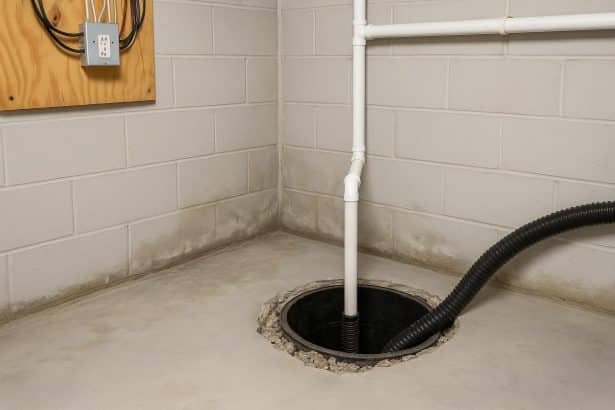
THE PUTRID odor assault Richter the moment they Opened the front door of their home in Heath, Ohio, The stench came from the basement, where a three-inch pipe that was supposed to drain water from the air-conditioning system into a sewer line was instead spewing raw sewage fro throughout their neighborhood. About an inch of this foul mess had already oozed across the floor.

It was easy enough to pinpoint the cause: a clog in a sewer line about 150 feet from the house. The Richters house sits lower than all their neighbors', so when everyone else's gunk stopped at the clog, the backup dutifully retreated, ending up in the Richters, basement.

Rodger spent about six hours on preliminary cleanup, then called in a firm that specializes in heavy,duty jobs. He eventually paid more than $1,100 to have the basement cleaned and sterilized and the carpeting replaced. Then he called his insurance company to submit a claim.


That's when things got really messy: Rodger was stunned to learn that his homeowners policy didn't cover sewage backups, so the insurer wouldn't kick in a dime toward making the basement livable again.

Most homeowners are in the same boat. Standard policies don't cover damage from sewage and water backups. To get that protection, you need to buy special coverage--which is exactly what Rodger did. For $50 a year, he added a rider that will pay up to $10,000 if the gross stuff ever invades his basement again. Unfortunately, a repeat is not out of the question. "In the past five years, some of our biggest homeowners-insurance claims have been caused by water and sewer backup, "says Tom Schneider, the Richters' agent.

Sewage backup is one of several hazards that people widely assume is covered by their homeowners insurance--until they file a claim and are turned down. We hate to say it, but it actually does make sense to read those densely packed pages of your policy to see what's covered and what's not. If you discover a gap, it's usually easy and inexpensive to fill it.

Holes in homeowners policies

AS THE RICHTERS discovered, a backed-up sewer can send waste spewing into your house. So it's essential to buy sewage and drain backup coverage if you have a finished basement that contains valuable furniture or equipment that could be destroyed. But damage isn't always limited to the basement. When a sewer line leading to Perry Pappas's 150-year-old Victorian home in Columbus, Ohio, broke last fall, it caused an upstairs toilet to overflow, resulting in nearly $3,000 of damage.

Fortunately, Pappas had a $ 50-a-year rider on his homeowners policy, which entitles him to up to $10,000 for sewage-backup damage, after a $500 deductible. The same rider would also pay for damage if a sump pump stopped working during a power outage--which could leave your basement soaked.

Most people who live near a river or coastline know homeowners policies don't cover flood damage, and they buy flood insurance through the National Flood Insurance Program. But flooding can be a problem even if you don't live near water.

Jack Blair, an independent insurance agent in Hamilton Square, N.J., notes that heavy rains can cause big problems. "We had a town that got buried in a foot of water last year, and most residents had never seen water in their town before," he says. "That was a real tragedy when a lot of people turned to their homeowners insurance and found out flooding was excluded."

Flood insurance is sold by private insurance agents at set prices, depending on your proximity to a flood zone; you could pay more than $800 a year for $100,000 coverage if you're in a flood plain, or as little as $230 if you're in a low-risk area. For more information about the program, the cost of flood insurance and how to buy it, see the NFIP's Web site (www.fema.gov/nfip), or call 888-225-5356.

Protect your homework

IF YOU HAVE a home office, don't assume that your equipment is protected by the personal-possession coverage in your homeowners policy. Homeowners and renters policies typically cap coverage for business property at $2,500. The coverage drops even more if you take any of the property out of your house for

example, it pays only $250 if your laptop is stolen while you're on a business trip.

A typical policy provides no liability coverage for business-related claims, either. If, say, the UPS guy slips on your front stoop while delivering a business package and ends up suing, your homeowners company may leave you high and dry.

For a low-risk home business, a rider that would hike business-property and liability coverage to the same amounts as stated in your homeowners policy would probably cost $100 per year or less, says Scott Hauge, an independent insurance agent in San Francisco. For bigger and riskier businesses--if, say, you are a computer consultant with expensive equipment--you may have to buy a standalone business insurance policy for $ 350 a year or more.


BNET TalkbackShare your ideas and expertise on this topic

The following tags are supported in BNET comments:
<b></b> <i></i> <u></u> <pre></pre>

Leave a Reply

  1. You are currently a guest | Login?
advertisement
Go
advertisement
  • Click Here
  • Click Here
advertisement

Content provided in partnership with http://findarticles.com/source//