Reinventing the zoo: it's no longer enough to put endangered species on display and call it conservation - little chat with Betsy Dresser, ecologist - Interview

E: The Environmental Magazine, March-April, 2002 by Joni Praded

When Betsy Dresser stepped off the plane in Beijing and rode through the city, the passing scenes looked eerily familiar. It was her first trip to this Chinese megalopolis, but the smog that hung in clouds and obscured all views reminded her of something. So did the throngs of people moving through the streets, the hardly breathable air, the poverty of trees and the utter lack of animals in this city of 12 million people.

Then she realized she had seen it all before--not in other cities, not even in real life, hut in a 1973 movie called Soylent Green. It's a sci-fi classic that Dresser, world renowned for her own high-tech efforts to breed endangered species, rents from time to time. In it, Charlton Heston plays a riot-control cop in the New York City of 2022, a landscape turned to a horrific wasteland by rampant human overpopulation. Wildlife has been wiped out. Real food is almost a thing of the past and the rare jar of strawberry jam nets $150. Voluntary euthanasia is encouraged, and the government hands out rations--one of which is Soylent Green, a wafer that startled viewers soon learn is manufactured from recycled humans. "You should watch it sometime," says Dresser. "It's a movie about what happens when our species so overpopulates the planet that no one is left here but us. Who wants to live in a world like that?"


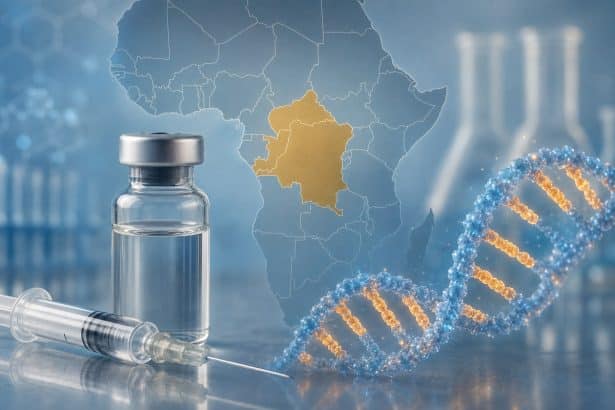
Not Dresser. And that is why she has undertaken a unique line of work: freezing sperm, embryos and tissues of endangered species; experimenting with in vitro fertilization for hard-to-breed animals; transferring embryos from one species to another; and artificially inseminating some of the world's disappearing fauna. Working from her current post at the New Orleans-based Audubon Nature Institute, home of the Audubon Zoo, and her former post at the Cincinnati Zoo's endangered species research center, Dresser has produced the world's first test-tube gorilla. She was the first to transplant an endangered animal--a bongo-into a more common one--an eland--to produce a live birth. Just this year she thawed out some of her frozen African wildcat embryos and transplanted them into Cayenne, a domestic housecat. It was the first-ever frozen/thawed embryo transfer between species, and it resulted in the live birth of an African wildcat named Jazz.

Early in 2001, she and a team of scientists became the first to clone an endangered species, the oxlike Asian gaur. The feat was made possible by fusing 692 gaur cells to cow eggs. When 81 of these concoctions turned into blastocysts, the cellular clusters that are the main ingredient of animal-cloning recipes, 40 were kept for research and the rest were implanted into 32 surrogate cows. One cow, Bessie, came through. Not surprisingly, her strangely incepted offspring earned a biblical name, Noah. But, unfortunately, Noah didn't make it onto Dresser's ark, which includes her "frozen zoos" and a growing number of animals created in ways never before thought possible. Instead, Noah died within two days of dysentery. But his birth gave Dresser and other scientists insights that will help them refine their efforts with their next endangered species cloning targets: among them tigers, giant pandas, bongos and the rusty spotted cat of Sri Lanka.

FACING EXTINCTION

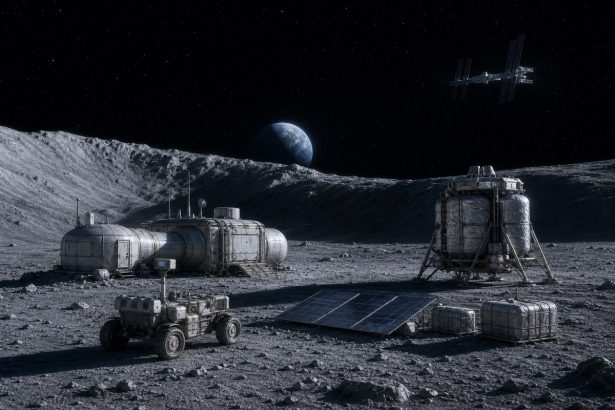
Why, you might ask, does Dresser do what she does? Because based on the calculations of hordes of fellow scientists, she sees the planet going the way of Soylent Green. Experts generally agree that 24 percent of all mammals, 12 percent of all birds, and 14 percent of all plants already face extinction. The human numbers that caused this massive decline will swell from their current six billion to more than 9.4 billion by 2050. In just 25 years, three billion people (a number equaling the entire human population of 1960) could face severe water shortages; water for wildlife will be in even shorter supply. And unless current trends reverse, ecologists predict the last rainforest tree will fall in the next 40 years. "I'm not the one who's going to stop population growth," says Dresser, "but I can do something about keeping animals around for the future." And when she says future, she means it. Eventually, speculates Dresser, "we'll have to go somewhere else. Do we go into the oceans? Do we go to other planets? What better way to take animals there than in a frozen zoo?"

Dresser doesn't care if other people think she's nuts, and she doesn't have to. Her work is heralded by the zoos who support her, by the donors who underwrite her high-profile projects, and by a public that has a nearly religious belief that yet-to-be-discovered high-tech fixes can ultimately undo human-caused problems. But work like hers has often held center stage in the controversy over how zoos should manage the endangered species in their care, how they should contribute to these species' survival in the wild, and whether conservation funds should be most heavily applied to in situ (meaning in the zoo) programs or ex situ (meaning in the field) programs.


BNET TalkbackShare your ideas and expertise on this topic

Please add your comment:

  1. You are currently: a Guest |
  2.  

Basic HTML tags that work in comments are: bold (<b></b>), italic (<i></i>), underline (<u></u>), and hyperlink (<a href></a)

advertisement
advertisement
  • Click Here
  • Click Here
  • Click Here
advertisement

Content provided in partnership with Thompson Gale