Health Publications
Topic: RSS FeedTruth and testes: the pros and cons of our manliest hormone
Men's Fitness, April, 1999 by Ben Kallen
Testosterone made you the man you are today. But is that a good or bad thing? Well, it depends on who you talk to. Testosterone boosters point out that this happy hormone spurs your workouts, powers your love life, helps keep you fit and trim and may even extend your life. Dissenting viewers call it the chemical culprit behind chrome domes, acne and drywall-busting 'roid rage. Meanwhile, the man-haters' club blames "testosterone poisoning" for most of the major problems of Western civilization. But what do they know? Be a man and join us as we seek the truth about testosterone.
OK, what exactly is testosterone?
More Articles of Interest
Testosterone is the most potent androgen, or male sex hormone. It's produced from cholesterol by what are called Leydig cells in the testes - your family jewels - then released directly into the bloodstream. It began affecting you before you were born, when secretions from your fetal testes resulted in the development of a male rather than female reproductive system. (At the time, you could have gone either way.) Some of it was converted into a related chemical called dihydrotestosterone, which induced your body to build a penis and scrotum. (Before you nominate DHT as your favorite natural substance, you should know that it's also partly responsible for male pattern baldness and prostate problems.)
Your testosterone production then stalled until puberty, when it started up again to finish developing the reproductive system and to provoke all those fun secondary-sex characteristics (facial and body hair, thickened vocal cords, oily skin, dreams about the girls' volleyball team). It also stimulated your bone and muscle growth, helping to turn you into the strapping specimen of maleness you see in the mirror each day. Even now, testosterone is keeping your body strong and fueling your desire for a black Ferrari with Charlize Theron sitting in the passenger seat.
How does testosterone affect muscle tissue?
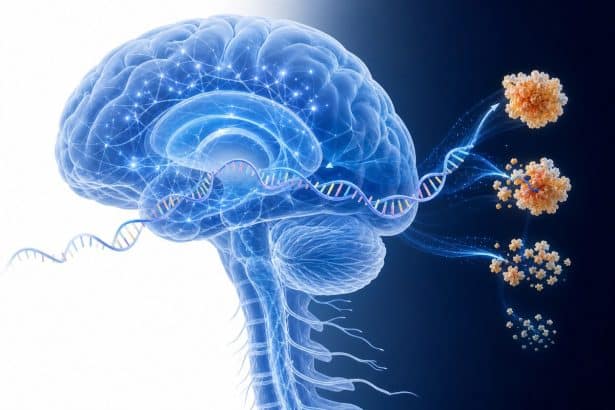
Usually, during your weight-training workout, the concentration of testosterone in your blood increases by as much as 37 percent, explains William J. Kraemer, PhD, director of the Human Performance Laboratory at Ball State University in Indiana. It then binds to your DNA, which sends signals to add protein to your muscles. However, during aerobic exercise, protein is broken down to provide energy and can be sloughed off from your muscles - which is why many runners also weight train to retain their muscle mass.
Kraemer has found that you can increase the amount of testosterone available during exercise by consuming a protein-carbohydrate supplement two hours before and immediately after a workout. Multiple-set rather than single-set workouts also boost testosterone levels, he says.
Doesn't testosterone make men more aggressive - in and out of bed?
The idea that testosterone causes men to behave badly has been generally discredited by scientists. Men who commit violent crimes are often found to have high testosterone levels, but it doesn't follow that if you have high levels, you're necessarily going to be violent. For example, a number of recent studies have discovered that men were actually more angry, irritable and aggressive with low testosterone levels than they were when their hormones were brought up to normal. Some researchers believe that excess testosterone is transformed, through a process called aromatization, into the female hormone estrogen, and that may be responsible for negative behavior. (This process may also be one of the causes of gynecomastia, excess tissue growth in the chest area that makes your nipples look more like female breasts.)

As for the relationship between testosterone and male sexuality, the details are unclear. For one thing, having more of it won't necessarily do much for your erections, yet guys who have naturally high levels of testosterone or who take supplements often find that they have stronger desire and are more sexually assertive. Still, a UCLA study found that taking supplements will probably help only if your levels are already quite low - in which case your physician might prescribe it as a pill, a patch, or even a cream that's massaged into the testicles and inner thighs.

How do I know if I have enough testosterone in my body?
About one young man out of 200 suffers from hypogonadism, or subnormal activity of the testes, resulting in testosterone levels below 350 nanograms per 100 milliliters of serum. (A typical male between 25 and 35 will have between 270 and 1,100 nanograms.) By age 60, about a fifth of men will see their levels drop below 350 - the point at which some doctors recommend testosterone supplementation. If you believe your levels may be below normal, pay a visit to an endocrinologist or urologist, says UCLA professor and testosterone expert Ronald Swerdloff, MD. If there is a problem, the doctor will determine whether it lies in the testes or the pituitary gland, which sends out the signal that gets testosterone production started.
Even if my testosterone levels seem normal, are there safe, drug-free ways of raising them?
Most Recent Health Articles
Most Recent Health Publications
Most Popular Health Articles
- 50 home remedies that work: these safe, fast, and effective fixes will relieve what ails you - Cover Story
- Detox in 7 days: a detoux diet can help you shed up to 10 pounds and leave you feeling terrific. Our weeklong plan shows you how to lose the weight and keep it off - Cover story
- Treat sinusitis naturally: breath easy and relieve sinus pressure with these remedies - Quick Fixes and Long-Term Solutions
- All about nightshades: explore the hidden hazards of your favorite food with macrobiotic nutritionist Lino Stanchich
- La anemia falciforme - causas y tratamiento