advertisement

Look-good, feel better foods: smooth wrinkles, burn fat and shed stress by eating right to fight inflammation

Men's Fitness, Sept, 2003 by Myatt Murphy

You know the drill: Eat less fat and you'll be less fat. Eat more protein and your muscles will be fuller and firmer. Eat more bean-curd salads and you'll probably beg someone to stop serving you bean-curd salads.
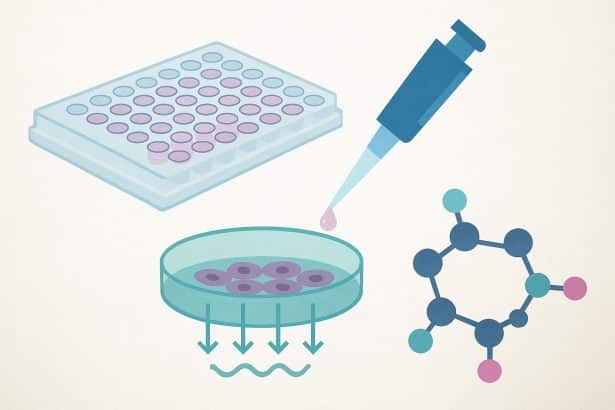
"However, there's more going on below the surface to healthy eating than most people realize," says Nicholas Perricone, M.D., adjunct professor at the College of Human Medicine at Michigan State University and author of The Wrinkle Cure. "It all comes down to how your body responds to the foods you're taking in."

What the good doctor is talking about is inflammation. Not mere redness and swelling, but subclinical inflammation, which can't be seen by the naked eye. Inflammation exists throughout your body in various degrees, and is influenced by external factors such as the food you eat and the air you breathe. For example, researchers at the University of Buffalo have found that eating large quantities of sugar and fats causes an increased concentration of free radicals in your bloodstream which creates inflammation in the body.

Perricone, who has given several lectures about inflammation on PBS, is world-renowned for creating nutritional plans designed to help the body counteract these inflammatory responses. His clients have become stronger, leaner and healthier by following his advice. Perricone has given MEN'S FITNESS five ways to help you look younger, lose fat and feel better through avoiding inflammation.

LOOK 10 YEARS YOUNGER

The goal: Cut back on your sugar intake.

The challenge: Most men don't realize the toll sugar takes on their appearance. "Sugar is responsible for nearly half of all skin aging, because it inhibits the effectiveness of collagen within your skin cells," says Perricone. Excess sugar in your system binds with collagen, causing a chemical change called glycosylation. Ideally, collagen molecules slide easily over each other, giving the skin a soft, elastic look. After being attacked by sugar, the collagen fibers become cross-linked and stick to each other, resulting in sagging and wrinkled skin. Glycosylation can also cause age spots and discolored marks on the skin by overworking melanocytes, the cells that provide pigment.

The plan: Avoiding sweets is a must, but identifying hidden forms of sugar is even more important. "Try to stay away from foods that are higher on the glycemic index, such as corn, bananas, potatoes and peas," says Perricone. Instead, eat more foods that are low on the glycemic index, such as kiwi, blueberries, peaches, leafy greens, broccoli and spinach. "These types of fruits and vegetables deliver sugar into your system at a slower rate, since they're also packed with fiber. They're also rich in antioxidants that help eliminate free radicals and reduce inflammation in the skin. Left unchecked, [free radicals] can lead to heart disease, cancer, diabetes, a weakened immune system and other health issues."

Perricone green-lights the regular use of topical anti-inflammatories such as alpha-lipoic acid and vitamin C ester to increase elasticity in the skin. Antioxidant creams can be found at health-food Stores such as Whole Foods. If creams aren't your thing, try taking 100 milligrams of alpha-lipoic acid in tablet form (available in most health-food stores) twice daily. "This anti-inflammatory antioxidant also inhibits the attachment of sugar to protein, minimizing the amount of damage sugar can do to your skin," says Perricone.

GET LEAN FASTER

The goal: Limit your intake of processed carbs.

The challenge: Eliminating carbs may be a trendy way to lose weight, but it also severely limits the amount of insulin your body releases, which will stunt muscle growth. "In normal proportions, insulin is just as important for triggering the metabolic functions that encourage muscle growth as testosterone is," says Perricone. Hence, you don't need to expel carbs from your dietary curriculum--they're crucial, in fact. Simply avoid the high-glycemic types that promote insulin secretion.

The plan: Eat plenty of fresh fruits and vegetables with glycemic ratings below 50. Cucumbers, plums, pears and peppers are good choices. (For a comprehensive list, go to www.glycemicindex.com.) "These types of foods can give your body enough of an insulin response to have an anabolic effect on the muscles without storing excess body fat," says Perricone.

SHED YOUR STRESS

The goal: Switch from coffee to tea.

The challenge: All those high-priced lattes not only subtract cash from your wallet, but all that milk, cream and sugar can deposit a Venti-sized amount of calories around your midsection. Moreover, a single cup of coffee raises cortisol levels for 12 to 14 hours. Cortisol, a hormone pumped out by the body at times of stress, is necessary for survival, but when cortisol levels are chronically elevated, you're asking for all sorts of trouble beyond fat deposition.

"Too much cortisol in the system is toxic to brain cells, thins your skin, decalcifies your bones, and suppresses your immune system," explains Perricone. Cortisol also kicks up insulin levels by raising your blood sugar, encouraging the storage of excess calories as fat. "Making the switch has been proven to show an average weight loss of up to eight pounds in just six weeks, says Perricone--and that s if no other change, such as beginning a workout program, is implemented during the same period.


BNET TalkbackShare your ideas and expertise on this topic

Please add your comment:

  1. You are currently: a Guest |
  2.  

Basic HTML tags that work in comments are: bold (<b></b>), italic (<i></i>), underline (<u></u>), and hyperlink (<a href></a)

advertisement
advertisement
  • Click Here
  • Click Here
  • Click Here
advertisement

Content provided in partnership with Thompson Gale