On TV.com: ANGELINA JOLIE looks stunning as usual
Find Articles in:
all
Business
Reference
Technology
News
Sports
Health
Autos
Arts
Home & Garden
advertisement

Brought to you by IBM

Featured White Papers
advertisement

Content provided in partnership with
Thomson / Gale

Oral fluconazole for vaginal candidiasis

American Family Physician,  Sept 15, 1996  by Parimal C. Desai,  Brett A. Johnson

Vaginal candidiasis is a common infection: it affects up to 75 percent of sexually active women at least once in their lives and occurs more than once in about 45 percent of women.[1] Candida albicans is the most frequent causative pathogen.[2] Traditional therapy includes antifungal vaginal preparations such as suppositories and creams. These agents are effective, but their use is often considered inconvenient.

Oral fluconazole (Diflucan) is now available for the treatment of vaginal candidiasis and provides a long-awaited alternative to the topical agents. Several surveys indicate that many patients prefer oral treatment to intravaginal preparations.[3] Family physicians need to be familiar with this choice of therapy.

Fungicidal Action

Fluconazole is a synthetic, water-soluble, triazole antifungal agent that selectively binds to the fungal cytochrome P450 enzyme. This action effectively inhibits conversion of lanosterol to ergosterol, an integral part of the fungal membrane. The subsequent accumulation of 14[alpha] - methyl sterols in the fungal cell is responsible for the fungistatic action of fluconazole.[4]

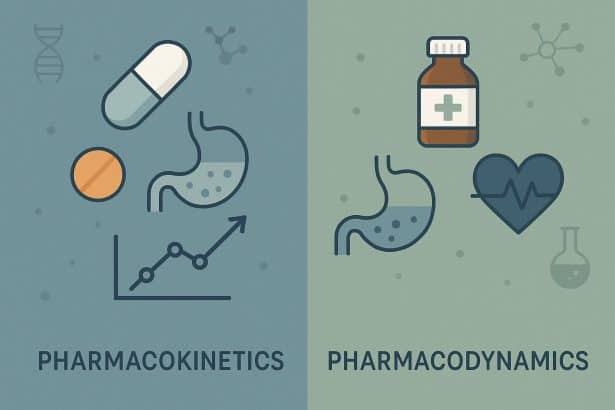
Pharmacokinetics

Oral fluconazole is well absorbed. The peak plasma concentration is reached one to two hours after oral administration, even in the presence of food, antacids or histamine [H.sub.2]-receptor blockers. The bio-availability of oral fluconazole exceeds 90 percent, compared with intravenous administration.[5] Fluconazole is widely distributed throughout the body and, in contrast to other azole antifungals, most of it circulates as a free drug.[4]

The concentration of fluconazole in vaginal tissue after a single 150-mg oral dose is similar to that in plasma and is within the therapeutic range. The drug concentration in vaginal secretions six hours after the single 150-mg oral dose is within the estimated range of the minimum inhibitory concentration and remains so for at least three days.[6] Up to 80 percent of the drug is excreted in the urine unchanged, and another 11 percent is recovered in the urine as a metabolite.[5]

Dosage and Cost

In June 1994, fluconazole, 150 mg, was approved by the U.S. Food and Drug Administration as a single oral dose for the treatment of vaginal candidiasis. Fluconazole was initially available as a 50-,100 or 200-mg tablet but is now also marketed as a 150-mg tablet. The cost of fluconazole is less than that of most intravaginal agents, as shown in Table 1.[7]

[TABULAR DATA OMITTED]

Indications and Contraindications

Fluconazole is indicated for the treatment of initial and recurrent episodes of vaginal candidiasis.

A single 150-mg oral dose of fluconazole, administered each month one to four days after the onset of menstruation, has also been successfully used for prophylaxis against recurrent vaginal candidiasis.[8] Additional indications for the use of fluconazole include oropharyngeal candidiasis, esophageal candidiasis and cryptococcal meningitis.[5]

Fluconazole is classified as a category C medication during pregnancy and is not recommended in nursing mothers. Category C means that no adequate and well-controlled studies have been carried out in pregnant women and that the drug should be used only ff the potential benefit justifies the possible risk to the fetus.

Clinical Experience

Several worldwide clinical trials have demonstrated the efficacy of a single oral dose of fluconazole in comparison with intravaginal agents. In a randomized, prospective, international clinical trial involving 369 patients,[9] results of therapy with a single oral dose of fluconazole, 150 mg, were compared with those of a three-day regimen of intravaginal clotrimazole, 200 mg. The two treatment groups were similar in age, weight, history of vaginal candidiasis and method of contraception. Signs and symptoms of vaginal infection were recorded before treatment and at follow-up.

Short-term assessment at five to 16 days did not reveal any statistically significant difference between fluconazole and clotrimazole in resolution of signs and symptoms or in eradication of vaginal Candida. At 17 to 62 days, 93 percent of fluconazole-treated patients and 84 percent of clotrimazole-treated patients remained clinically and mycologically cured. A faster recovery from symptoms was reported by the patients who received fluconazole treatment.

In a randomized, prospective, single-blinded trial[10] that included 429 patients, a single 150-mg oral dose of fluconazole was compared with a seven-day course of intravaginal clotrimazole, 100 mg daily. Patients with very mild disease were omitted from the study. Clinical and mycologic evaluations were performed 14 and 35 days after initiation of therapy.

The rate of chnical cure or improvement was 94 percent for the fluconazole-treated patients and 97, percent for the clotrimazole-treated patients at the 14-day evaluation. Mycologic and therapeutic cures occurred in 77 percent of the fluconazole group and 72 percent of the clotrimazole group. At the 35-day evaluation, 84 percent of the fluconazole group and 88 percent of the clotrimazole group remained clinically cured or improved. Fifty-six percent of the fluconazole group and 52 percent of the clotrimazole group were considered therapeutic cures.