On the importance of color - effect of paint colors used in nursing homes on residents' well-being

Nursing Homes, Sept, 1994 by Linda Trent

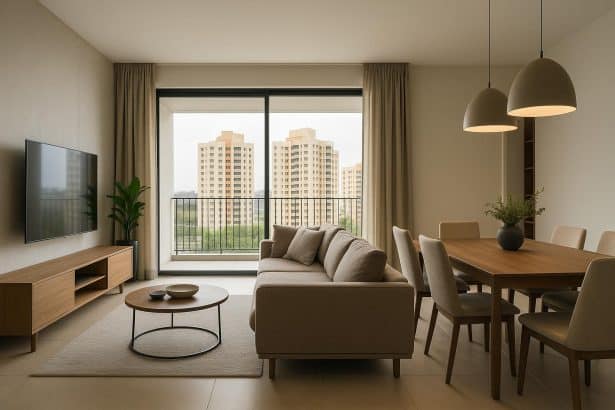
The way a place looks, its aesthetic, always plays an important role in how people respond to time spent there. In a nursing home, that response can have much to do with a resident's both comfort and wellness. No longer is it enough to simply "paint everything blue" in an attempt to provide a comforting, calming effect. More thought and knowledge are required to create what architects and health-care administrators call a "healing environment." Patient rooms are being made more home-like and common areas are being "deinstitutionalized" wherever possible.

Color is a major factor in the aesthetic of a room. Knowing the basics of color and how to use it as a tool are important steps in creating an environment appropriate to a residential health care setting. There are really no hard and fast rules on how to use color, but some general guidelines can be helpful.

Research has shown that color can influence human behavior (see "Color Characteristics. this page). Cool colors (blues and greens ) can calm, while warm has on the human eye. Cool colors seem to retreat from the viewer, while warm colors give the impression of advancing toward the eye.

The size of a space, what that space is used for, and its available light all contribute to the effect color has on the people using that space. For example, a nursing home work area such as a nurses' station should be done in cool colors or those which are highly reflective. In any intense work environment, colors that reflect light reduce shadows and improve visibility, thus contributing to higher productivity. Those that reduce stress and tension- cool colors-can provide a comfortable, non-distracting environment. On the other hand, areas that are more social colors (reds and yellows) are more stimulating. This results from the reflexive effect color in their nature-cafeterias, lounges and lobbies-are better served by warmer, bolder colors; these encourage interaction and conversation.

Color selection for a patient room depends largely on how long a person will be resident in that room. A scheme of neutral tones and pastel colors with a few visual accents is appropriate in a hospital where a patient is likely to spend only a few days or a week or two. But in a long-term care facility where a patient spends large quantities of time in one room over a long period, such a design is likely to become boring, as well as difficult to function in for low-vision elderly. In nursing homes, patient rooms should provide a balance of color, a mix of contrasting tones. The idea is to keep the space looking fresh and interesting, day-in and day-out, with clearly defined visual cues.

For the visually competent, the goal at the very least should be to make their room as home-like as possible. To do that, you need to take into consideration the background and age of the people who will be "living" there. In an environment where most of the residents are elderly, designers have learned to avoid contemporary colors and patterns. Instead, they try to choose those which will create the greatest level of visual enjoyment for elderly patients, and research has shown that for most people, those colors and patterns come from the period when they were in their 40s and 50s, when they were both financially and physically comfortable.

Color also can help to visually link renovated areas and additions with unchanged existing sections of a nursing home. For years, designers have used color to emphasize positive design elements while minimizing unattractive ones, drawing attention to or away from interior and exterior features. Handsome finishes, such as natural marble or rare hardwoods, can be showcased by using understated colors that blend and coordinate. This allows the focal point to remain on the material itself. On the other hand, the unattractive color of a tile or laminate can be downplayed with the introduction of a distinctly different color scheme. Necessary but visually distracting elements, such as columns, beams, and pipes, can be camouflaged by painting them the same color as an adjacent wall or ceiling.

Specialized environments create their own design and color imperatives. In an Alzheimer's facility, for example, patterns should be avoided because they create confusion. Nothing is more effective in enhancing residents' function than high contrast. Countertops should stand out strongly from floors. Often an edge band of contrasting color on a tabletop or other raised surface can help the resident identify it appropriately. The same principle applies in visually defining a sink or a toilet. Color can help with way finding. For an Alzheimer's patient, a room may be recognized more easily by color than by function.

In sum, color can do much to comfort, stimulate and reassure a nursing home resident, and experienced designers are working with color, pattern and texture in the surfaces they create for their environments. Recent trends in nursing home design have emphasized creating a home-like surrounding, even though the materials used must enhance function and have the "industrial-strength" quality required to weather the use of medical and assistive equipment and the routine application of strong cleaning agents. To meet these many goals, the nursing home administrator facing renovation or expansion should rely on products from manufacturers familiar with medical usage, and on designers trained in the use and psychology of color in health care institutions. This is as important a responsibility to good resident care as exterior design or the purchase of capital equipment.



 

BNET TalkbackShare your ideas and expertise on this topic

Please add your comment:

  1. You are currently: a Guest |
  2.  

Basic HTML tags that work in comments are: bold (<b></b>), italic (<i></i>), underline (<u></u>), and hyperlink (<a href></a)

advertisement
advertisement
  • Click Here
  • Click Here
  • Click Here
advertisement

Content provided in partnership with Thompson Gale