Government Industry
Industry: Email Alert RSS FeedNIH, Jackson Laboratory and DuPont Pharmaceuticals Sign Cre-Lox Technology Use Agreement
National Institutes of Health, Aug 21, 1998 by Office of the DirectorFOR IMMEDIATE RELEASE, Friday, August 21, 1998, Anne Thomas, Marc Stern
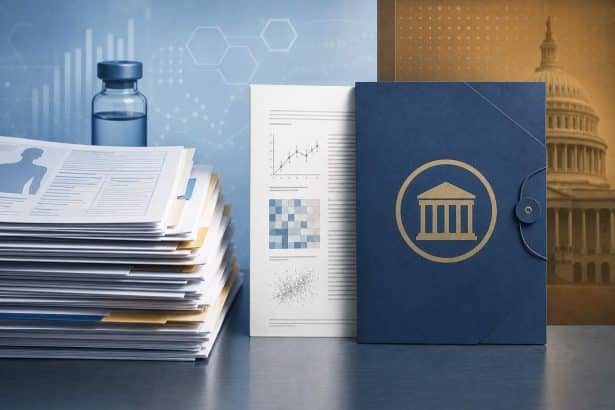
Bethesda, Maryland, August 20, 1998 -- The National Institutes of Health, The Jackson Laboratory, and DuPont Pharmaceuticals Company announced yesterday that they have signed landmark agreements on the use of DuPont's proprietary Cre-lox technology. The agreements resolve long-standing issues of access by academics to commercially-owned technology. Now NIH and DuPont have a mutually agreeable means for Cre-lox technology to be used in research conducted by and/or supported by NIH, without compromising DuPont's ability to receive appropriate value from commercial applications of the technology.
Most RecentGovernment Articles
The parties believe that this agreement regarding a valuable, commercially-owned, enabling research tool will serve as a model for similar agreements between academic institutions and commercial research organizations. The announcement was made by NIH Director Harold Varmus, M.D., during his keynote address at the meeting on Cancer Genetics and Tumor Suppressor Genes at Cold Spring Harbor Laboratory yesterday.


The Cre-lox technology involves site-specific recombination of DNA using the cre gene and lox sites. Its usefulness in basic medical research is widely recognized. Cre-lox site-directed recombination has shown great utility in improving existing gene knockout technology, particularly when used in genetically manipulated mouse models.
"The agreement between DuPont and the NIH is a milestone in the cooperative relationship between academia and industry. It will allow science to continue to move forward freely as it uses a valuable research tool for the benefit of medicine and the public," said Dr. Harold Varmus.
The parties say the new agreement streamlines and clarifies the manner in which the Cre-lox technology is made available to academic research laboratories. "DuPont Pharmaceuticals is committed to wide dissemination of this valuable technology to the academic community," said Paul A. Friedman, M.D., President of DuPont Pharmaceuticals Research Laboratories. "We will continue to provide, at no cost, the Cre-lox technology to academic laboratories for research uses and will allow unencumbered use and transfer of this technology among researchers at not-for-profit institutions. The agreement imposes no limitations on scientific publications."
"The NIH believes that the current biomedical research licensing environment can be burdened with onerous financial terms and intellectual property entanglements which impede scientific inquiry and create unnecessary obstacles to biomedical research," said Maria Freire, Ph.D., Director, NIH Office of Technology Transfer. "We hope that the agreement between DuPont and the NIH will serve as an example of how a commercial organization can put a technology into the academic domain, while retaining commercial rights"
The agreements distinguish between academic and commercial uses of the technology. DuPont has agreed to make the technology available without cost to NIH researchers and grantee institutions for non-commercial purposes. Researchers affiliated with the NIH may disseminate Cre-lox materials to other academic laboratories and investigators for academic research under a Material Transfer Agreement. The recipient not-for-profit institutions need an agreement with DuPont to further transfer the Cre-lox materials provided by the NIH. Discoveries made within the academic realm through use of the Cre-lox technology will not be subject to any payments to DuPont so long as the discovery is made outside of any benefit accruing to a commercial entity.
DuPont and the NIH recognize that academic institutions may want to transfer materials containing the Cre-lox technology to commercial entities. Such transfer of materials requires the commercial entity to pay a reasonable transfer fee and obtain a commercial research license.
Outside of the scope of the Cre-lox technology agreement, and requiring a separate agreement with DuPont, are agricultural applications, alteration of mouse embryonic stem cells for the purpose of preparing a library, and commercial uses. The full text of the agreement is available at http://www.nih.gov/od/ott.
To further foster widespread use of and access to Cre-lox materials, including genetically manipulated mice, an agreement has been reached with The Jackson Laboratory to receive, breed, and distribute animals that contain this technology to both academic and commercial parties.
"The Jackson Laboratory provides a very valuable service to the research community via dissemination of genetically altered mice," Dr. Friedman said. "DuPont is pleased to help Jackson fulfill its mission. This agreement, coupled with our recently announced license of the technology to Lexicon Genetics to generate a large library of Cre-lox mice, further demonstrates our commitment to provide the research community with the most advanced tools."
"We're very pleased to be able to make this valuable technology more widely available to the scientific community," Jackson Laboratory Director Dr. Kenneth Paigen said. "This agreement helps advance an important part of our mission: to provide genetic resources to the world's research community in a manner that promotes basic discovery."
Brought to you by CBS MoneyWatch.com
- Best- and Worst-Paid College Degrees
- 6 Things You Should Never Do on Twitter or Facebook
- How Much Sleep Do You Really Need?
- 6 Big Myths about Gas Mileage
- 5 Rules for Immediate Annuities
- Death in the Family: 12 Things to Do Now
- Dumbest Things You Do With Your Money
- 6 Online Networking Mistakes to Avoid
- 401(k) Mistakes to Avoid
- 5 Economic Scenarios to Keep You Up at Night
- The Real ‘Best Places to Retire’
- Best Credit Cards for You
- 12 Tough Questions to Ask Your Parents
- The Real ‘Best Colleges’
- Home Buyer Tax Credit: How to Cash In
- Why You Shouldn’t Bash Cash
- 8 Phony 'Bargains' and Better Alternatives
- Danger: 3 Debit Card Scams to Avoid
- 6 Myths About Gas Mileage
- 29 Fees We Hate Most
- Quick and Easy Ways to Boost Returns
- Best Stocks to Buy Now
- Lower Your Taxes: 10 Moves to Make Now
- New Jobs: 8 Lessons from Real-Life Career Switchers
- The New Job Market: Who Wins and Who Loses?
- Health Care Reform's Public Option: Everything You Need to Know
- Volunteer Work When Unemployed: Should You Work for Free?
- Whose Recovery Is This?
- Long-Term-Care Insurance: 4 Biggest Risks to Avoid
Content provided in partnership with
Most Recent Health Articles
Most Recent Health Publications
Most Popular Health Articles
- Make running easier: with this unique 'pose running' technique, you'll learn to actually enjoy your fat-burning sessions
- 50 home remedies that work: these safe, fast, and effective fixes will relieve what ails you - Cover Story
- Detox in 7 days: a detoux diet can help you shed up to 10 pounds and leave you feeling terrific. Our weeklong plan shows you how to lose the weight and keep it off - Cover story
- Treat sinusitis naturally: breath easy and relieve sinus pressure with these remedies - Quick Fixes and Long-Term Solutions
- All about nightshades: explore the hidden hazards of your favorite food with macrobiotic nutritionist Lino Stanchich