Government Industry
Industry: Email Alert RSS FeedSustained Reduced Sleep Can Have Serious Consequences
National Institutes of Health, Mar 12, 2003 by Linda Cook, NINR
In a study on the effects of sleep deprivation, investigators at the University of Pennsylvania found that subjects who slept four to six hours a night for fourteen consecutive nights showed significant deficits in cognitive performance equivalent to going without sleep for up to three days in a row. Yet these subjects reported feeling only slightly sleepy and were unaware of how impaired they were. The research article, "The Cumulative Cost of Additional Wakefulness: Dose-Response Effects on Neurobehavioral Functions and Sleep Physiology From Chronic Sleep Restriction and Total Sleep Deprivation," appears in the March issue of the journal SLEEP.
Most RecentGovernment Articles
- First Shoe Drops For EADS On A400M
- New Military Contracts Limit Losses For Oshkosh
- Second TRICARE Protest Sustained For Health Net Raises Issues With Whole Process
- Second JSF Engine From Rolls-Royce And GE Facing Crisis Of Confidence
- Good News For Boeing In 2010 As More C-17 Transports Will Be Ordered
- More »
According to Principal Investigator David Dinges, "This is the first systematic study to look at the prolonged cognitive effects of chronic sleep restriction lasting for more than a week. The results provide a clearer picture of possible dangers to people who typically are awake longer on a regular basis," he explained, "including members of the military, medical and surgical residents, and shift workers. Reduced cognitive abilities can occur even with a moderate reduction in sleep."
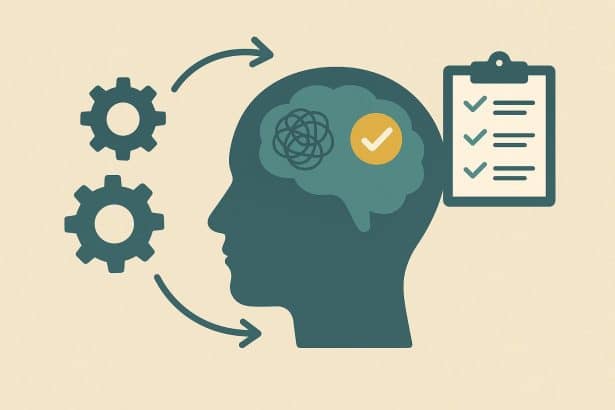
Cognitive performance deficits included reduced ability to pay attention and react to a stimulus, such as when driving, or monitoring at airports. Other deficits involved impairment of the ability to think quickly and not make mistakes, and a reduced ability to multi-task to hold thoughts in the brain in some order while doing something else.
Dr. Patricia A. Grady, Director of the National Institute of Nursing Research, NIH, which provided primary funding for the study, said, "These findings show that while young adults may believe they can adapt to less than a full night's sleep over time, chronic sleep deprivation may seriously affect their performance while they are awake, and they may not even realize it."
Investigators also found that to prevent neurobehavioral defects from accumulating, the average person needs 8.16 hours of sleep during a 24-hour day, although there were differences among individuals in their need for sleep.
The study included 48 healthy individuals aged 21 to 38 who were divided into four groups those who were allowed to sleep up to either 8, 6 or 4 hours per night during a 24-hour period for two weeks, and those who were deprived of sleep for three consecutive 24-hour periods. The experiments were conducted in a lab with constant monitoring. When awake, participants could watch movies, read, and interact with lab staff but could not have caffeine, alcohol, tobacco or medications.
In addition to NINR, other NIH funding was provided by the National Center for Research Resources and National Heart, Lung and Blood Institute. NIH is part of the Department of Health and Human Services. A grant from the Air Force Office of Scientific Research supported total sleep deprivation data used in the study.
Brought to you by CBS MoneyWatch.com
- Best- and Worst-Paid College Degrees
- 6 Things You Should Never Do on Twitter or Facebook
- How Much Sleep Do You Really Need?
- 6 Big Myths about Gas Mileage
Most Recent Health Articles
Most Recent Health Publications
Most Popular Health Articles
- 50 home remedies that work: these safe, fast, and effective fixes will relieve what ails you - Cover Story
- Detox in 7 days: a detoux diet can help you shed up to 10 pounds and leave you feeling terrific. Our weeklong plan shows you how to lose the weight and keep it off - Cover story
- All about nightshades: explore the hidden hazards of your favorite food with macrobiotic nutritionist Lino Stanchich
- Treat sinusitis naturally: breath easy and relieve sinus pressure with these remedies - Quick Fixes and Long-Term Solutions
- La anemia falciforme - causas y tratamiento