Substance abuse and addiction

Connecticut Nursing News, Sep-Nov 1999 by Barile, Linda A

This is the first in a series of articles about substance abuse and addiction. We are highlighting this important topic, as this is a problem that faces all health care professionals and impacts all individual lives. Nursing needs to take the lead in efforts to recognize and treat people who have this devastating illness because recovery is possible.

Connecticut Nurses' Association has recently convened a Nurse Intervention Program Committee that will work towards development and implementation of The Connecticut Nurse Intervention Program-A Non-disciplinary Alternative Recovery Program. This program would monitor and evaluate the rehabilitation of designated nurses whose competency may be impaired due to abuse or excessive use of alcohol, drugs, or other mind altering chemicals so that the nurse may be rehabilitated and returned to the safe and competent practice of nursing, while the public is protected. Chemical dependency is an occupational hazard of the nursing profession. This program will be designed to enhance the public health and safety by providing a timely alternative to the disciplinary process as it now exists.

Dr. George Vaillant, in the Harvard Mental Health Letter (Vol. 6, No. 9, March, 1990), argued that the disease concept of alcoholism should be retained. He stated that the discussion of whether addiction is a disease was reminiscent of an equally learned discussion on the merits of the Vietnam War by "highly intelligent, prestigious, literary scholars with advanced degrees. The discussants had all the qualifications except one-they had no direct experience with that war."

Likewise, in the argument of whether addiction is a disease, the experienced -practitioners and recovering addicts accept the disease concept. Those who do not consider addiction a disease are the active addicts themselves (who deny there is any problem), some family members and often professionals with little direct experience. Addicts deny, conceal, rationalize, intellectualize and blame others for their difficulties. There is a curious parallel process with professionals and family who intellectualize and rationalize in the constant debate of whether addiction is a disease and covertly blame the victim for the situation. It then becomes the merry-go-round of denial and intellectualization, and people remain untreated. Th some extent, the debate is about words and would be unimportant if it did not have major implications for treatment.

As a profession, Nursing has been unable to decide whether addiction is a disease, a vice, a bad habit, a behavior problem, a personality disorder or a hereditary weakness. Is it caused by family conflict or poor upbringing, or is it a result of depression/anxiety or some other mental illness? Is it something that addicts do themselves, something that happens to them or something that is forced on them beyond their control? The diversity of ideas, the doubts and the confusion parallels the attitudes of the lay public and society in general. Addiction, then, becomes a moral, social and philosophical issue. Some professionals are reluctant to treat addicts who are demanding, ungrateful and who have brought their problems on themselves. Only an estimated 20% of doctors or nurses routinely address the topic of addiction with their patients. As a society we imprison addicts for the possession and use of drugs and drug related crimes-an inconceivable act for any other disease. We carry this debate into the treatment arena, their abstinence is contested against controlled use.

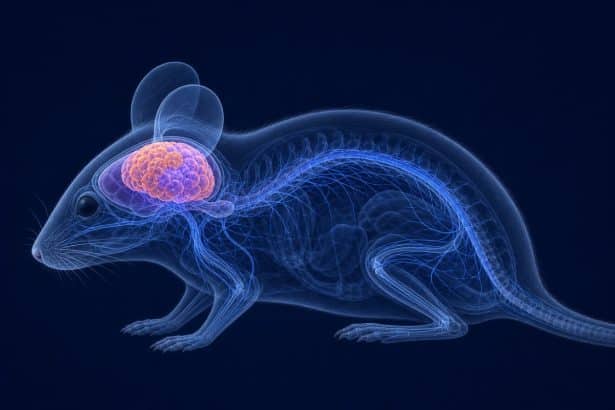
With the advances in brain imaging and molecular analysis of neurons, researchers are beginning to shed some light on the disease controversy. Addiction is being studied as a biological process. The reward system, the role of dopamine, the interior of neurons and the genetics of addiction are promising areas of research. Addiction causes a chemically induced disorder of the brain's reward or pleasure center, physiological and neurotransmitter changes and chronic brain malfunction. The symptoms of this disease feature tolerance, cravings and preoccupation, compulsion, loss of control and impairment due to continued use despite adverse consequences.

There is reason for optimism that the disease of addiction can be arrested. An estimated 50% of alcoholics eventually recover, and heroin addicts stop using in an average of 11 years (The Harvard Mental Health Letter, Vol. 12, No. 4, October 1995). The research on the process of change in addiction by Porchaska, DiClemente and Norcross (American Psychologist, 1992, vol. 47 p. 1108) outlined the stages of precontemplation, contemplation, preparation, action and maintenance with interventions at each stage. In addition, the interventions and techniques of Motivational Interviewing by Miller and Rollick (1991) have enhanced our understanding of treatment interventions. Health care professionals need to Recognize the disease, establishing a nonjudgmental Relationship and know the Resources for Referral to treatment. Perhaps the 21st century will bring even greater enlightenment into the causes and treatment of addiction and put an end to the confusion, personal beliefs and biases. Addiction will then be treated as any other respectable disease.


BNET TalkbackShare your ideas and expertise on this topic

Please add your comment:

  1. You are currently: a Guest |
  2.  

Basic HTML tags that work in comments are: bold (<b></b>), italic (<i></i>), underline (<u></u>), and hyperlink (<a href></a)

advertisement
advertisement
  • Click Here
  • Click Here
  • Click Here
advertisement
Click Here

Content provided in partnership with ProQuest