advertisement
On GameSpot: Final Fantasy VII returns on the PSP
Find Articles in:
all
Business
Reference
Technology
News
Sports
Health
Autos
Arts
Home & Garden

Featured Download

Speak Like a CEO

This chapter describes ten helpful actions and behaviors that will bring you...

advertisement

Content provided in partnership with
ProQuest

A disaster plan in action: How a law firm in the World Trade Center survived 9/11 with vital records and employees intact

Information Management Journal,  May/Jun 2003  by Barr, Jean

<< Page 1  Continued from page 2.  Previous | Next

Lessons Learned

Communication with personnel in the New York office and elsewhere, with clients, media, and vendors was the key immediately after the disaster. Communication made it possible to verify the safety of all employees in New York and Washington, D.C. The next priority was reassuring the rest of the firm and its clients that SAB&W was functioning. Use of the firm's Web site, news stories, switchboard, and a toll-free number all contributed to the ability to communicate.

Most Popular Articles in Reference
The importance of understanding organizational culture
Credit card attitudes and behaviors of college students
What factors attract foreign direct investment?
Libraries Need Relationship Marketing - mutual interest marketing concept, ...
How to set performance goals: employee reviews are more than annual critiques
More »
advertisement

The firm also learned the value of friends including clients, vendors, cocounsel, and even competitors. Gaining temporary office space in the same building where the midtown Manhattan office resided was crucial, as was the leasing of more permanent space three months later. Concern for the well being of the firm's employees was manifested in the Employee Assistance Plan counselors being onsite in the New York office for anyone who needed to talk.

Having the weekly computer backup tapes offsite in New Jersey turned out to be a fortuitous decision as the weekly tapes in New York could not be retrieved due to the lack of transportation and closure of the tunnels leading into Manhattan in the days following the attacks. In the future, SAB&W will store daily tapes outside metropolitan areas.

The emphasis in the firm continues to be on standard operating procedures, standard software and hardware, and network infrastructure to make it possible to quickly load new and rented computers. Custom software or hardware must wait until long after a disaster before it can be installed. Recovering e-mail and document management systems had to be the top priority in order for the firm to support its clients. Web access into the firm's systems became a necessity, not a luxury, for many lawyers and administrative personnel.

Keeping an updated insurance policy that includes adequate coverage for valuable papers and reconstruction costs is key. Having a records database enabled the firm to quickly determine the number of files destroyed and assisted in the quick receipt of insurance payouts. Within weeks of the disaster, the database was marked to show the destruction of more than 23,000 files.
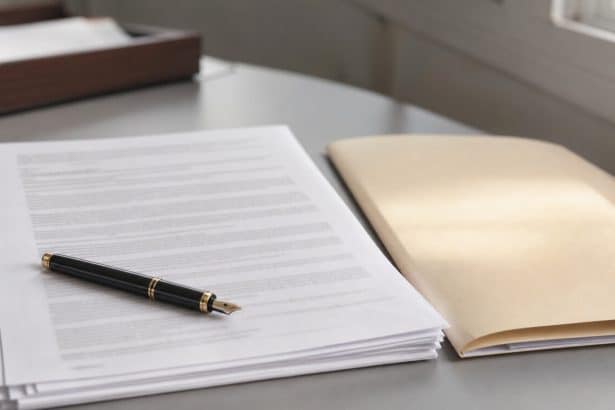

Finally, the extraordinary effort by a multitude of people made the recovery a success. Many dedicated people from technicians to administrative staff - worked around the clock to re-establish offices, restore operations, and help SAB&W resume business.

Jean Barr, CRM

Jean Barr, CRM, is RIM Manager at Sidley Austin Brown & Wood. She may be contactedafjbarr@sidley.com.

Copyright Association of Records Managers and Administrators Inc. May/Jun 2003
Provided by ProQuest Information and Learning Company. All rights Reserved