advertisement
On CNET: Sew your own iPod, laptop case
Find Articles in:
all
Business
Reference
Technology
News
Sports
Health
Autos
Arts
Home & Garden

Featured Download

Speak Like a CEO

This chapter describes ten helpful actions and behaviors that will bring you...

advertisement

Content provided in partnership with
ProQuest

Free fruit for Scots children

Sunday Herald, The,  Jul 2, 2000  by Douglas Fraser

Toddlers are to have a daily piece of fresh fruit provided by the Scottish Executive, according to plans being floated this week by health minister Susan Deacon.

She is to use the Healthy Scotland Convention tomorrow to launch an initiative to improve the eating habits of young Scots, even though the effects in improved health may not be felt for more than a generation.

The proposal is either to provide free or subsidised fruit in nursery schools, playgroups and in childcare, so that every child has at least one piece of fresh fruit daily.

That would be paid for out of the #26 million the Executive has received from the Treasury through this year's increase in tobacco tax, which it has earmarked for improvements in public health.

Most Popular Articles in News
The Ten Best Laptop bags
Tata plans cheapest-ever car for Indian market
GLOBALIZATION AND THE DEVELOPMENT OF UNDERDEVELOPMENT OF THE THIRD WORLD
Corn is good for you; Corn is not only a tasty treat, but also a cereal that ...
THE 50 BEST STYLISH HANDBAGS TO CARRY
More »
advertisement

An Executive source said the link is clear between healthy children and their level of development and attainment at school, and that radical action was needed to improve their diet. A study of similar fresh fruit programmes in Finland has shown positive results, and the idea has been trialled in some Scottish local authorities.

Edinburgh primary schools, for instance, have subsidised tuck shops selling fruit instead of crisps and chocolate. Children can buy a 10p tuck shop fruit token from teachers, and the council is providing fruit twice a week to children receiving free school meals.

The move to a national scheme is described in the Executive as a "leap of faith", probably amounting to a trial period of about a year.

The most recent figures for the Scottish diet include alarmingly low amounts of fresh fruit and vegetables, especially for boys. Only 56% of boys and 63% of girls eat fresh fruit daily. Some 18% of boys and 12% of girls have fresh fruit as little as once a week.

Although there is a recommendation that people eat at least five portions or pieces of fresh fruit or vegetables every day, only 30% of young Scots eat green vegetables at least five times a week. In another survey published a month ago by the Department of Health south of the border - where the diet has been consistently healthier than in Scotland - one in five aged between 4 and 18 ate no fruit at all during the week of the study. Less than half of boys, and six out of ten girls ate raw and salad vegetables during that time. The fruits most likely to be eaten were apples and pears, eaten by more than half, or bananas eaten by just under 40%.

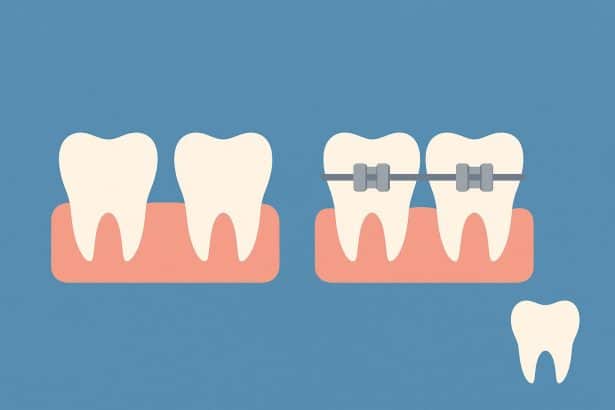
Research has linked low consumption of fruit and vegetables with high levels of deaths from colon cancer and heart disease. In many of Scotland's more deprived communities, access to fresh fruit and vegetables has been identified as a problem. Local shops tend not to stock it, quality can be poor and prices relatively high. Sugar- based snacks are much cheaper, resulting in startling findings about the state of dental health: more than half of children in the UK have tooth decay and a third have unhealthy gums.

The strategy ties in with a bid to increase Scotland's consumption of homegrown strawberries and raspberries, at a time when the Perthshire-based berry-growing industry is in trouble. Ministers are also understood to be looking at a major extension of trials with breakfast clubs, not only because they offer a nutritious start to a child's school day, but for more educational reasons - because they are an important way of teaching social skills to children who are not picking them up at home.

Deacon's strategy at tomorrow's Healthy Scotland convention is to bring together groups in Scotland for a more co-ordinated approach to improving public health. The priorities being set out are to focus on a sustainable programme to promote lifelong health, starting with children, and particularly to narrow health inequalities for the poor.

In a separate development, the health minister is to commit at least #100,000 of her budget to providing nurse's uniforms for trainees studying for a university degree who currently have to pay for them, while diploma students with their training based in hospitals do not.

Copyright 2000
Provided by ProQuest Information and Learning Company. All rights Reserved.